
Noticing changes in a child’s clothing size can serve as a straightforward indicator for parents to monitor their child’s growth over time. A prominent science and technology firm is advising parents in the UAE to be more vigilant about their children’s development and to consult healthcare professionals if they have any worries.
Growth patterns change gradually, making potential concerns easy to overlook. Looking at how a child grows over time, rather than a single measurement, can help parents know when to talk to a doctor.
Understanding Growth Hormone Deficiency
One condition linked to impaired growth is growth hormone deficiency (GHD). It is a rare condition where the body does not produce enough growth hormone, which is important for normal childhood growth and development.
Global estimates suggest GHD affects approximately 1 in 4,000–10,000 children. Early signs can be subtle and may include slower growth over time. If left untreated, GHD may affect a child’s physical growth and bone development and have wider effects on their health.
A Call for Proactive Monitoring
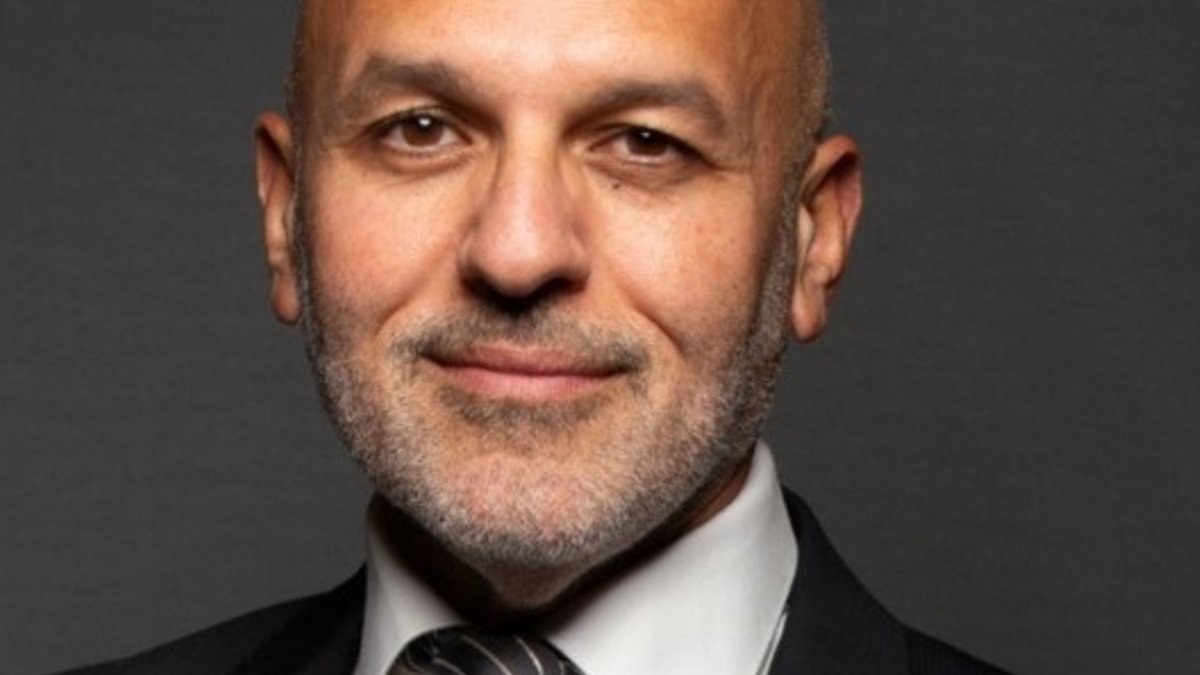
Ahmed Fadl, General Manager for UAE & Gulf at Merck, stated, ‘Every child grows uniquely, but if parents observe something unusual, it’s key to feel empowered to ask questions.’ He emphasized that discussing concerns with a healthcare provider can be an initial step toward determining if further evaluation is necessary.
Educational institutions and their healthcare teams can also play a vital role in identifying potential issues. Parents, educators, and medical professionals all share the responsibility of ensuring that ongoing growth concerns are not ignored.
Research shows that girls with growth hormone deficiency are often diagnosed later than boys. This reinforces the importance of ensuring all children receive timely assessment when growth concerns arise. The finding is supported by a study published in Curr Opin Endocrinol Diabetes Obes. 2012 Feb;19(1):47-52. doi: 10.1097/MED.0b013e32834ec952. PMID: 22157400; PMCID: PMC3279941.
When to Seek Medical Advice
A common misconception is that shorter children will eventually catch up in height. However, persistent concerns should always be addressed with a healthcare professional, as growth assessment requires monitoring multiple measurements over time, not just a single height check.
Dr. Mirrah Agha-Kandil, Group Medical Director at GEMS Education, noted, ‘At GEMS, tracking children’s growth is part of our commitment to their overall health and well-being.’ She explained that their clinicians refer children for specialized assessments when significant concerns are identified, and parents also play a key role by observing their child’s growth over time.
While clothing size isn’t a medical measurement, everyday observations can alert parents to potential issues. A child who hasn’t needed larger clothes for an extended period might be growing at their own pace, or it could be a reason to consult a doctor about their growth pattern.
“Early diagnosis can also help identify any underlying medical cause that may require further investigation and assessment,” said Dr. Elham Alamiri, Consultant Paediatric Endocrinologist.
Parents are encouraged to consult a paediatrician if they have concerns about their child’s growth. Healthcare professionals can assess a child’s growth history, development, and other factors to determine if additional evaluation is needed.


Leave a Reply