
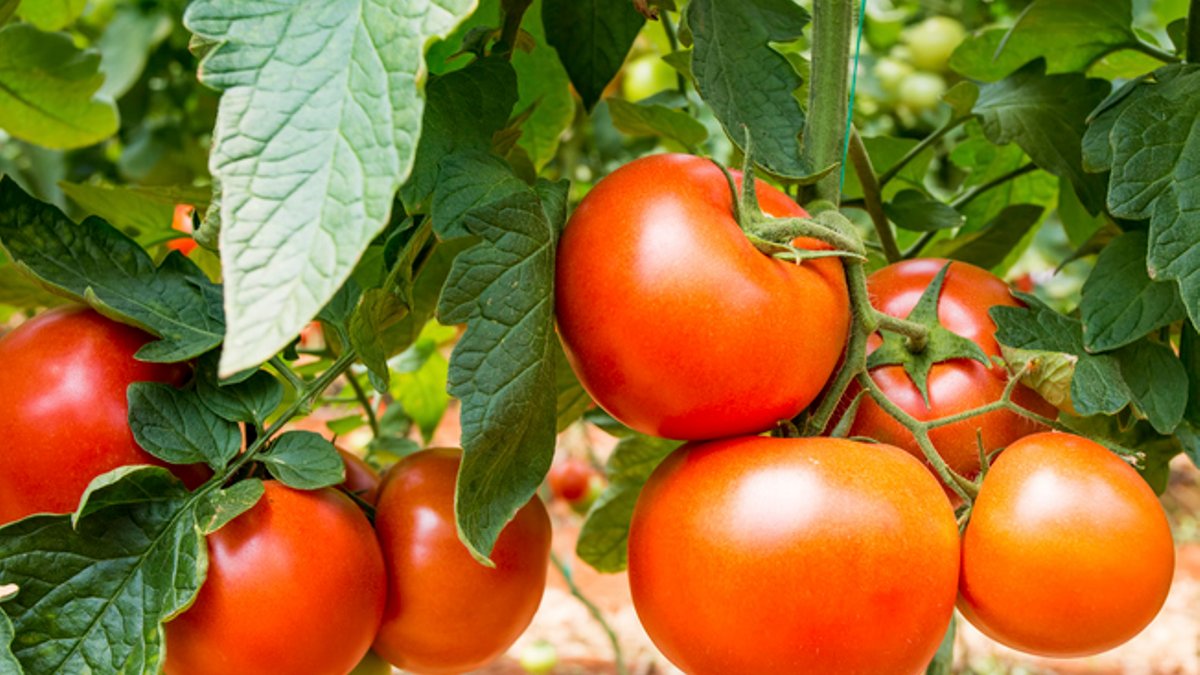
This year’s growing season tested patience with prolonged heat and drought, yet a few crops thrived despite the conditions. The writer relied on private wells and a spring that continued to flow through the peak of the heatwave. Among the successes were tomatoes, cucumbers, and squashes, which all produced flavours far superior to what appears in supermarkets. Cucumbers released a scent of rose petals when cut, while tomatoes proved intensely flavoured. Squashes grew larger than usual and developed a sweet, nutty profile thanks to the combination of heat and careful watering.
The tomato advantage
While supermarket produce often prioritises shelf life over taste, home-grown tomatoes consistently outperform commercial varieties. These plants are bred for durability during transport rather than flavour, a reality that becomes clear in the garden. This season, three varieties stood out: Black Cherry, Saint-Pierre, and a yellow/orange tomato grown from seeds saved for more than ten years.
Black Cherry, discovered at Killruddery garden centre in Co Wicklow, impressed with its robust flavour. Saint-Pierre offered a different profile as a large, globe-shaped beefsteak tomato with dense flesh and few seeds. The mystery variety, acquired years ago from a tomato fest, ripens to orange rather than yellow and tastes “terrific.” The writer invites readers to send a self-addressed envelope to receive seeds.
Read Also: Ireland tackles osteoporosis with new approach
When tomatoes meet West Cork burrata, basil, and good olive oil, the best pairing is often a crisp, dry white wine. The writer recommends the Specially Selected Gavi from Aldi, priced at ten euros. It offers a proper expression of the Cortese grape with an elegant, straightforward character. This combination of fresh produce and a clean wine style highlights why many home growers prefer sourcing their own ingredients.
Commercial grape growing faces its own challenges, particularly regarding variety restrictions. The red Côtes du Rhône blend, for instance, has expanded to include fifteen permitted grape varieties. While Grenache, Syrah, and Mourvèdre still lead the lineup, others such as Muscardin, Counoise, and Picpoul Noir are now allowed. A single bottle from Dauvergne-Ranvier, available for €13.99, contains all fifteen grapes. It presents a rich, dark profile with a complex mix of flavours.
Bordeaux offers another range of options, particularly for those seeking value. The writer recently tried Les Trois Manoirs Médoc 2022, a Cru Bourgeois priced at €11.99. It carries a nose of pure blackcurrants with a smoky oak touch and round tannins. A more premium option, Château de Malleret 2019, arrived at €35 from Whelehan’s. Classified as a Cru Bourgeois Exceptionnel, it shows great length and is ready to drink now.
Read Also: Medical milestones marked in November history
Other fruit and wine notes
After giving of their all the previous year, the apple trees decided to rest. Only two fruits appeared on the large rambling Bramley tree, one of which joined some blackberries from this year’s bumper crop. The writer describes eating the fruit as revenge against the brambles, which require noisy and dangerous machinery to keep in check. Pears cropped shyly, but the few Doyenné du Comice that were harvested were delicious. The writer considers this variety the best of all, noting that Conference pears are like turnips by comparison.
There will be no 2026 cider vintage, as the trees took a break. However, plenty of the 2025 cider remains available. The writer also tasted recent wine discoveries, noting that while Burgundy Chardonnay makes the greatest white wines, Riesling is a close rival. The writer fell in love with an Eintal Riesling Trocken from Aldi. It is a humble QbA from the Rheinhessen that is seductively perfumed and dry. It has an unusual alcohol content of just 12 per cent.
With confit duck legs, the Riesling served as a perfect complement. Another wine, the Sophie Schaal Organic Riesling 2025 from Alsace, was found at O’Brien’s. It costs €21.99 and offers a brilliant purity with a mineral tang and a bone-dry finish. The writer is happy to drink it on its own, though it would pair well with rillettes.


Leave a Reply