
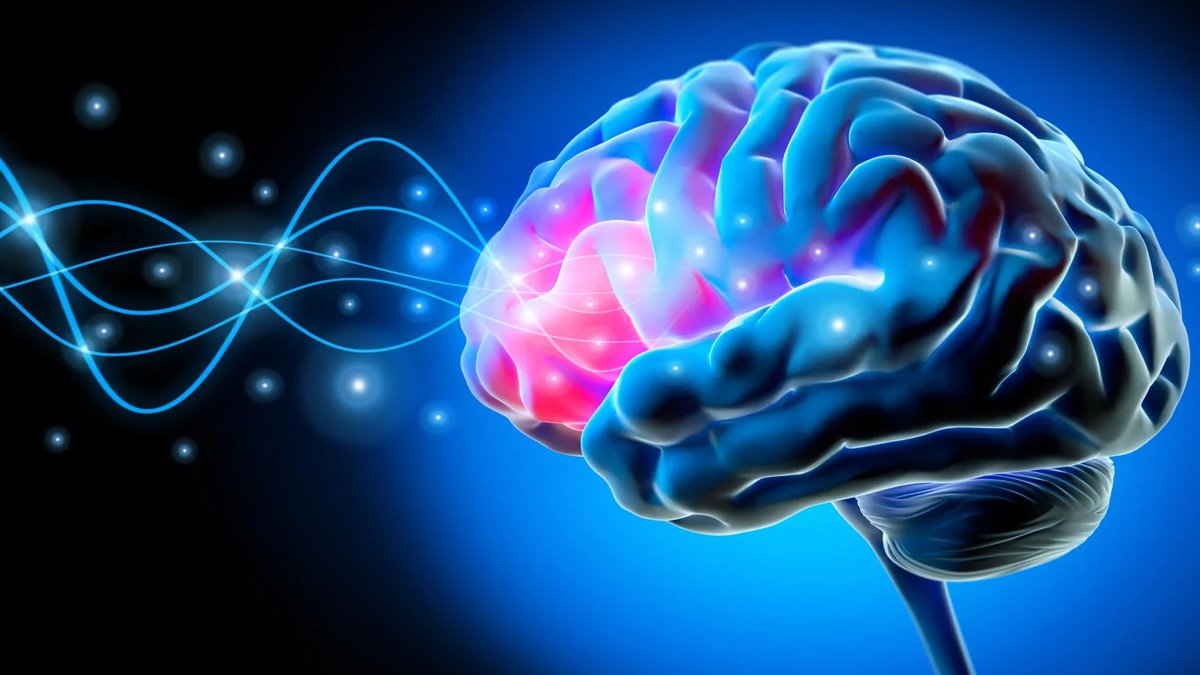
Scientists have discovered a hidden brain rhythm that could improve Parkinson’s disease treatment by clarifying how deep brain stimulation (DBS) works. The new findings suggest that the benefits of this therapy depend on stimulating a specific network that communicates primarily through a relatively fast beta rhythm (20 to 35 Hz).
Connecting Space and Time in the Brain
Researchers from the University Hospitals of Cologne and Düsseldorf, Harvard Medical School, and Charité Berlin published the study in the journal Brain. It is the first to combine two research approaches that have largely been studied separately: electrophysiology and brain imaging.
Pinpointing exactly where and how brain stimulation works has been difficult. Brain imaging studies have identified the locations where stimulation appears most effective. Electrophysiological research has measured the frequencies of the electrical signals involved. Until now, researchers had not captured both the spatial location and timing of these signals at the same time.
“For the first time, we were able to characterize the DBS response network in Parkinson’s disease in terms of space and time, simultaneously,” says Professor Dr. Andreas Horn from the University of Cologne, who led the study. “We show that Parkinson’s disease can best be treated if we stimulate a very precisely defined network. This network operates synchronized within a specific frequency band.”
Related: Sheep’s wool helps regrow bone
Mapping the Connections
To investigate this connection, the team studied a large multicenter group consisting of fifty patients and one hundred brain hemispheres. The scientists simultaneously recorded brain activity through the implanted DBS electrodes and with magnetoencephalography (MEG).
Using these recordings, they mapped functional connections between regions deep within the brain and areas closer to its surface. Their analysis revealed that the important network connecting the subthalamic nucleus with frontal areas of the brain communicates largely at a comparatively fast frequency (20-35 Hz).
Importantly, the strength of this connection was associated with how much individual patients’ motor symptoms improved following electrode implantation. This suggests that a specific rhythm acts as a communication channel between the subthalamic nucleus and the cerebral cortex and may mediate the therapeutic effects of deep brain stimulation.
In practice, this means clinicians might one day adjust settings to target the specific electrical activity patterns unique to a patient’s brain. By stimulating regions connected to this identified network, they could potentially improve outcomes for those who do not currently respond optimally to therapy. The team plans to investigate more directly how deep brain stimulation causes changes within brain networks, with studies examining these causal effects currently underway.


Leave a Reply