
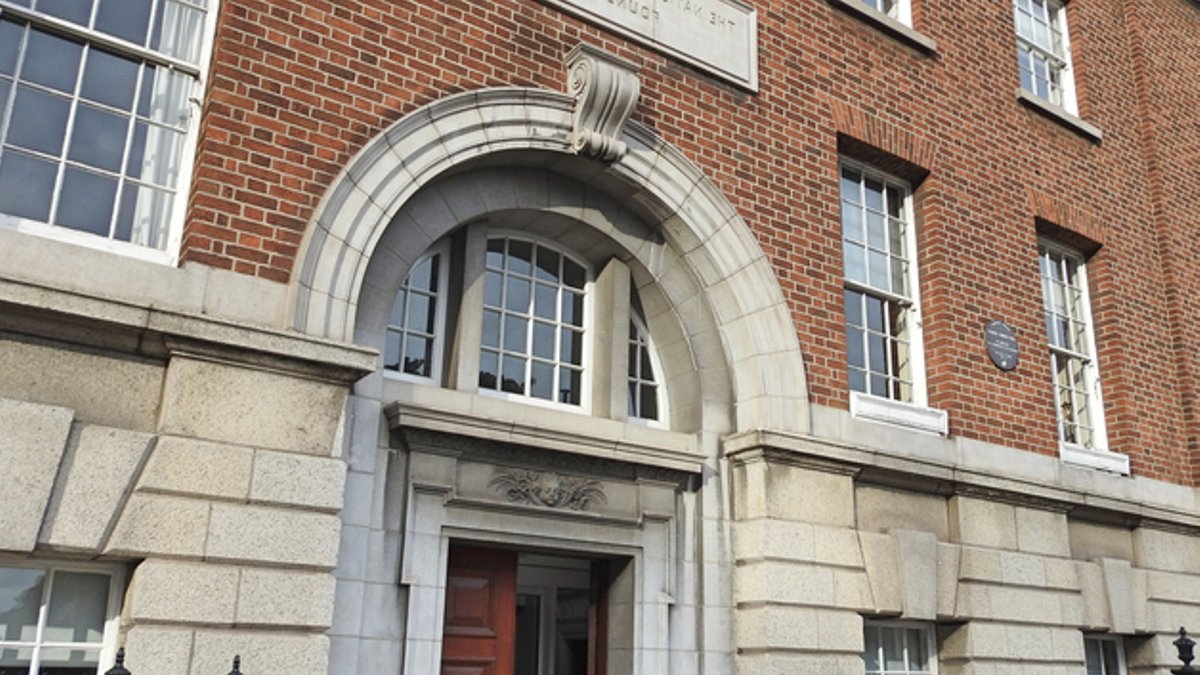
November is a month marked by several medical milestones, particularly those involving women and their place in medical history. One such milestone is the establishment of the Coombe Lying-In Hospital in Dublin, which was founded by Margaret Boyle in 1826.
Boyle, along with a group of supporters, was motivated to create the hospital after two pregnant women died in a snowstorm while trying to reach the Rotunda Hospital on the other side of the city. The subsequent news reports sparked an outcry, leading to the establishment of the Coombe Lying-In Hospital, which would go on to become a teaching hub and center of excellence.
Early Years of the Coombe Lying-In Hospital
The Guinness family funded the project, and after much dedication and effort, the Coombe formally opened in 1829. Its first recorded Master was Dr Richard Reed Gregory, who served as both the CEO and chief clinician, effectively creating the ‘Mastership model’. Margaret Boyle’s work deserves continued recognition for the lasting contribution it made to improving access to obstetric care for disadvantaged women.
Other Noteworthy Milestones
November also marks the death of Mary Mallon, also known as ‘Typhoid Mary’, who passed away in 1938. Mallon was a typhoid carrier who had emigrated to the US from Ireland and worked as a domestic worker, infecting dozens of people with typhoid fever.
Investigations into the origins of the illnesses had a strange genesis, with a family privately hiring a specialist to investigate the outbreaks. Initially, the deaths were thought to be due to contaminated water, but eventually, the link to Mary was established.
November also marks the opening of the Boston Female Medical College in 1848, the first medical school for women in the US. The college began with 12 students and two instructors, with an initial focus on midwifery, and later expanded its curriculum and was renamed the New England Female Medical College.
The establishment of the Boston Female Medical College led to the creation of more medical schools for women, with some 20 schools established between 1850 and 1895. However, as women became more accepted into previously all-male medical schools, the need for women-only colleges decreased, and by 1910, only two remained.


Leave a Reply