
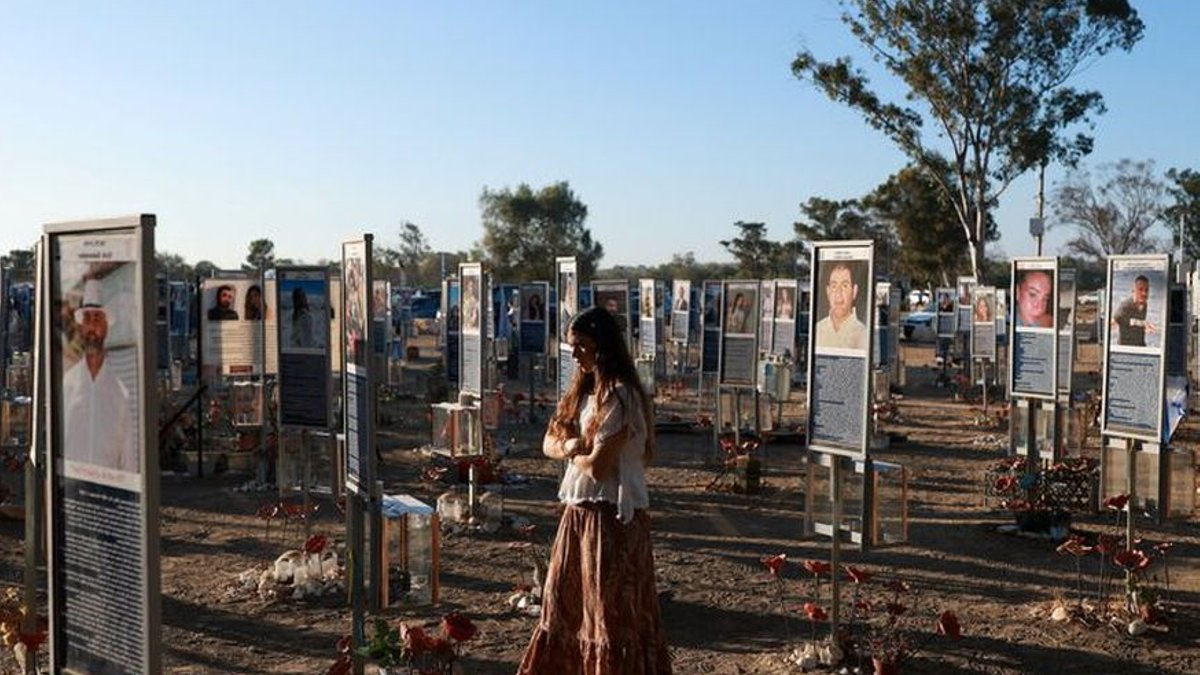
October 7 marks the third anniversary of the Hamas attack on Israel, which resulted in the deaths of 1,200 people and launched a military campaign that continues to alter the region’s trajectory. The initial assault also involved militants seizing 251 hostages and taking them into Gaza, making it the deadliest single day in Israel’s history. Three years later, the conflict’s consequences remain severe, as Gaza’s health authorities report over 74,000 Palestinian fatalities since Israel’s retaliatory strikes began. A tenuous ceasefire has done little to stabilize the territory, leaving its future uncertain.
Israeli citizens will honor the anniversary with memorial services at two prominent locations: the Nova music festival site near the Gaza border, where 348 attendees lost their lives, and Hostage Square in Tel Aviv, a tribute to all victims. This year’s observance carries a notable distinction from previous years—no Israeli hostages remain in Gaza. The last captive’s remains were recovered in January after a series of prisoner exchanges, which released all remaining hostages in return for Palestinian detainees held by Israel.
Read Also: Indonesia court weighs Gibran’s vice presidency challenge
The anniversary also falls during Israel’s first election since the attack, scheduled within 20 days. Opinion polls suggest voters will treat the election as a judgment on Prime Minister Benjamin Netanyahu’s leadership, with 68% of Jewish Israelis identifying October 7 as a key factor in their decision-making. However, no single party appears capable of securing a majority, leaving coalition negotiations in a state of uncertainty. Netanyahu has resisted calls for an independent inquiry into the security lapses that preceded the attack, a position that has deepened divisions with victim families, some of whom have entered the political arena.
A ceasefire brokered by the United States last October temporarily halted major combat but did not end Israel’s military operations in Gaza. Currently, Israel exercises control over nearly two-thirds of the territory, while Hamas maintains influence over the remaining third, where 2 million Palestinians live in damaged structures or temporary shelters. The truce has not led to Hamas disarmament or a halt in Israeli airstrikes, which Gaza officials say have killed 1,400 Palestinians and five Israeli soldiers since the previous year.


Leave a Reply