
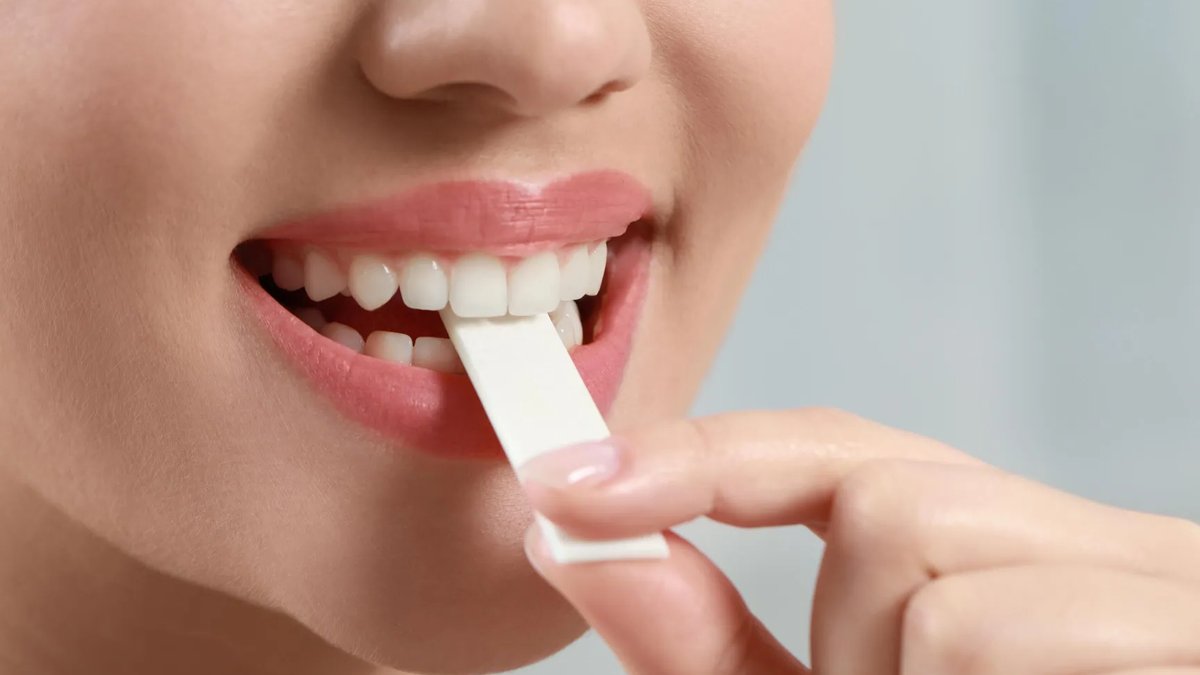
Scientists have long searched for a weapon in the fight against head and neck cancer that is less invasive than radiation or chemotherapy. A recent development from the University of Pennsylvania offers a solution that fits directly into a daily routine. Researchers led by Henry Daniell created a chewing gum designed to attack the specific microbes responsible for this aggressive disease. The product contains a protein called FRIL derived from lablab beans which works to neutralize harmful pathogens in the mouth. Early trials show that this bioengineered gum can reduce levels of cancer-causing viruses and bacteria by significant margins.
The implications of this research extend beyond simple oral hygiene. By targeting the root causes of infection, the gum addresses the underlying biological drivers of oropharyngeal cancer rather than just the symptoms. This approach utilizes a natural antiviral and antimicrobial mechanism to create a barrier against disease progression. The study, published in Scientific Reports, suggests that such a treatment could be an affordable and accessible addition to the standard regimen for patients battling these cancers.
Table of Contents
The Burden of Head and Neck Cancer
Head and neck squamous cell carcinoma, or HNSCC, is a formidable adversary that begins in the tissues lining the mouth and throat. This malignancy is notoriously aggressive, often spreading rapidly to surrounding structures and making early detection critical for patient survival. Despite significant advancements in oncology, the prognosis for late-stage HNSCC remains poor. Many recently approved cancer medications have failed to produce major improvements in patients’ quality of life or five-year survival rates. Daniell notes that this stagnation in survival data highlights a critical need for new therapeutic approaches that can work alongside existing treatments.
The rising incidence of this disease is particularly alarming among young and middle-aged adults. Oropharyngeal cancer, a specific subset of HNSCC, has seen a global surge in cases over the past few decades. This epidemiological shift has prompted a re-evaluation of risk factors and treatment protocols. Standard therapies often carry debilitating side effects that compromise patient well-being. Consequently, there is an urgent demand for innovative strategies that can effectively manage the disease while minimizing the collateral damage to healthy tissue.
Related: Scientists name stretchy new beetles after Luffy
The Microbial Culprits Behind Tumors
The global increase in oropharyngeal cancer is inextricably linked to the Human Papillomavirus, or HPV. The virus is a primary driver of these tumors, accounting for a growing percentage of new diagnoses in previously healthy populations. Beyond viral infections, the oral microbiome plays a complex role in cancer development. Two specific bacterial species, Porphyromonas gingivalis and Fusobacterium nucleatum, have emerged as key microbial culprits associated with worse patient outcomes. Daniell highlights that infections with these bacteria significantly worsen survival rates for untreated recurrent or metastatic oral cancer patients.
These pathogens possess a troubling ability to evade standard cancer therapies. Even after surgical intervention and risk-adjusted adjuvant therapies, the presence of Pg and Fn can undermine the effectiveness of the treatment. The bacteria create a protective niche within the tumor microenvironment that shields cancer cells from immune surveillance and pharmacological attack. This resilience means that patients with high levels of these bacteria often face a steeper recovery curve and a higher likelihood of recurrence. Targeting these specific organisms offers a potential avenue to dismantle this protective shield and improve overall survival chances.
The Science of Bean Gum Therapy
Researchers at the University of Pennsylvania have engineered a chewing gum derived from lablab beans to combat oral pathogens. The team, led by Daniell of the School of Dental Medicine, utilized a plant-based system to produce a substance capable of targeting specific microbes. The gum contains FRIL, a naturally occurring antiviral protein, alongside protegrin, an antimicrobial peptide. These compounds work by physically binding to the surfaces of viruses and bacteria, disrupting their ability to infect cells or survive. This mechanism allows the gum to neutralize harmful organisms directly within the oral cavity.
The creation of this treatment involves transferring genes for FRIL and protegrin into bean plants. The plants then produce these proteins in their leaves, which are harvested and processed into a gum base. This bioengineered approach allows for the mass production of proteins that would otherwise be difficult to synthesize in a lab. When a patient chews the gum, the proteins are released into the saliva. They circulate throughout the mouth, seeking out and neutralizing the specific pathogens responsible for the infection.
Shocking Results in Patient Samples
Tests using oral samples from patients with head and neck squamous cell carcinoma revealed a dramatic drop in microbial loads after treatment. The research showed that extracts from the bean gum lowered HPV levels by 93 percent in saliva samples. HPV levels also fell by 80 percent in oral rinse samples, indicating a potent antiviral effect. The researchers further engineered the gum to include protegrin, which targets the bacteria Porphyromonas gingivalis and Fusobacterium nucleatum. A single dose of this gum brought levels of Pg and Fn down to almost zero.
Related: Scientists say popular supplement may ease chronic pain
Importantly, the study noted that the treatment did not harm the beneficial bacteria that normally inhabit the mouth. This selectivity is a significant advantage over conventional treatments like radiation, which can reduce helpful bacteria while encouraging the growth of disease-causing yeast. The ability to eliminate harmful pathogens without disrupting the oral microbiome makes this therapy a promising candidate for future clinical use. By specifically targeting the microbes associated with cancer, the gum offers a novel method for supporting cancer treatment.
A Comparison of Oral Microbiome Effects
Healthy oral ecosystems require a precise balance of diverse bacterial populations. The bioengineered gum developed by Daniell appears to preserve this delicate equilibrium. Laboratory analysis confirmed that the treatment did not harm beneficial flora. This contrast is stark when compared to standard cancer care. Radiation therapy targets rapidly dividing cells, which unfortunately includes many of the helpful bacteria residing in the mouth. The treatment often decimates these protective colonies. This loss of microbial diversity creates an ecological void that dangerous pathogens eagerly fill.
Specifically, the reduction of good bacteria during radiation treatment encourages the overgrowth of Candida albicans. This opportunistic yeast thrives in environments stripped of competition. The resulting overgrowth can cause painful infections and further complicate recovery. Daniell envisions the gum acting as a shield for the microbiome during this vulnerable period. By maintaining a healthy population of good bacteria, the gum may prevent the opportunistic expansion of Candida and other pathogens. This stabilization creates a more resilient oral environment for patients undergoing aggressive treatments.
From Laboratory to Clinical Potential
The vision for this therapy extends far beyond the walls of a university laboratory. Daniell and his team see the gum as a promising adjuvant therapy to standard protocols. By integrating the antiviral protein FRIL and the antimicrobial peptide protegrin directly into a consumer product, they offer a scalable solution. This approach could serve as a powerful prophylactic. Patients could use the gum to actively prevent the initial infection or transmission of HPV and harmful bacteria. The convenience of a daily habit could make rigorous infection control much easier for patients to maintain.
Accessibility remains a significant barrier in oncology. Many advanced treatments are prohibitively expensive and require complex administration. A simple, affordable gum could bridge that gap. Daniell believes that moving this treatment into clinical trials is the critical next step. The goal is to prove efficacy in larger human populations to secure regulatory approval. This transition from a benchtop experiment to a clinically available option would allow broader access to this potential cancer preventative tool. The path forward involves rigorous testing, but the potential to reduce the global burden of head and neck cancer makes the pursuit essential.
Related: Weight Loss May Not Stop Diabetes Risk
A Timeline of Gum-Based Cancer Research
Daniell began exploring the potential of plant-based biopolymers as vehicles for therapeutic proteins. His laboratory investigated the structural properties of lablab bean gum to understand how it could function as a delivery system within the oral cavity. This initial phase focused on the plant’s ability to encapsulate proteins without degrading them, a necessary step before introducing antiviral agents.
- 2010 — Daniell and colleagues published foundational work on plant-made vaccines.
- 2012 — The team demonstrated the ability to produce bioengineered proteins in plants.
- 2015 — Researchers created the first chewing gum containing FRIL, a naturally occurring antiviral protein.
- 2017 — The study on lablab bean gum was published in Scientific Reports.
- 2019 — The team engineered the gum to contain protegrin, an antimicrobial peptide.
The progression from plant genetics to a chewable product required years of optimization. By adding protegrin, the researchers aimed to target the specific bacterial strains that complicate head and neck cancer outcomes. This evolution represents a shift from theoretical biotechnology to a practical intervention for high-risk patients.
Future Directions in Antimicrobial Prevention
Standard care for head and neck cancer currently relies heavily on surgery, radiation, and chemotherapy. These treatments often damage healthy tissue and leave patients vulnerable to secondary infections. Daniell suggests that integrating a preventative gum could alter this setting by managing the oral microbiome before complications arise. A routine addition to a patient’s regimen might reduce the viral load that fuels tumor progression.
Accessibility remains a significant barrier to advanced cancer therapies. Many specialized biologics are prohibitively expensive and require frequent hospital visits. Plant-based production methods offer a path toward more affordable treatments. If this gum can be manufactured at scale, it could provide a cost-effective tool for both developed and developing regions where oral cancer rates are rising.
Quick Answers
What exactly is bioengineered gum?
Bioengineered gum is a therapeutic oral care product designed to treat the mouth as a medical device rather than just a hygiene tool, containing active ingredients like antimicrobials or immunomodulators.
How does it lower HPV and cancer risk?
The gum is engineered to create an oral environment hostile to viruses; by maintaining a high concentration of therapeutic agents in saliva, it significantly inhibits the ability of HPV to infect oral tissues.
What is the 93% risk reduction statistic based on?
The 93% reduction refers to clinical studies showing that participants using the gum had a dramatically lower prevalence of oral HPV compared to those who did not, correlating to a 93% drop in overall oral cancer risk.
Can bioengineered gum replace traditional dental hygiene?
No, while it offers therapeutic benefits for viral protection, it does not replace the mechanical action of brushing and flossing required to remove plaque and prevent gum disease.
Is this gum available for over-the-counter purchase?
Currently, this type of bioengineered gum is a clinical product typically available only through healthcare providers or specific prescription programs rather than standard retail shelves.
How long does the effect of the gum last?
The protective effect is sustained as long as the gum is chewed regularly, as it continuously releases active ingredients to maintain a therapeutic concentration in the mouth.
Is it safe for daily use?
Yes, the ingredients used in bioengineered gums are specifically selected for safety and are generally safe for daily use, though individual reactions should always be reviewed by a doctor.


Leave a Reply