
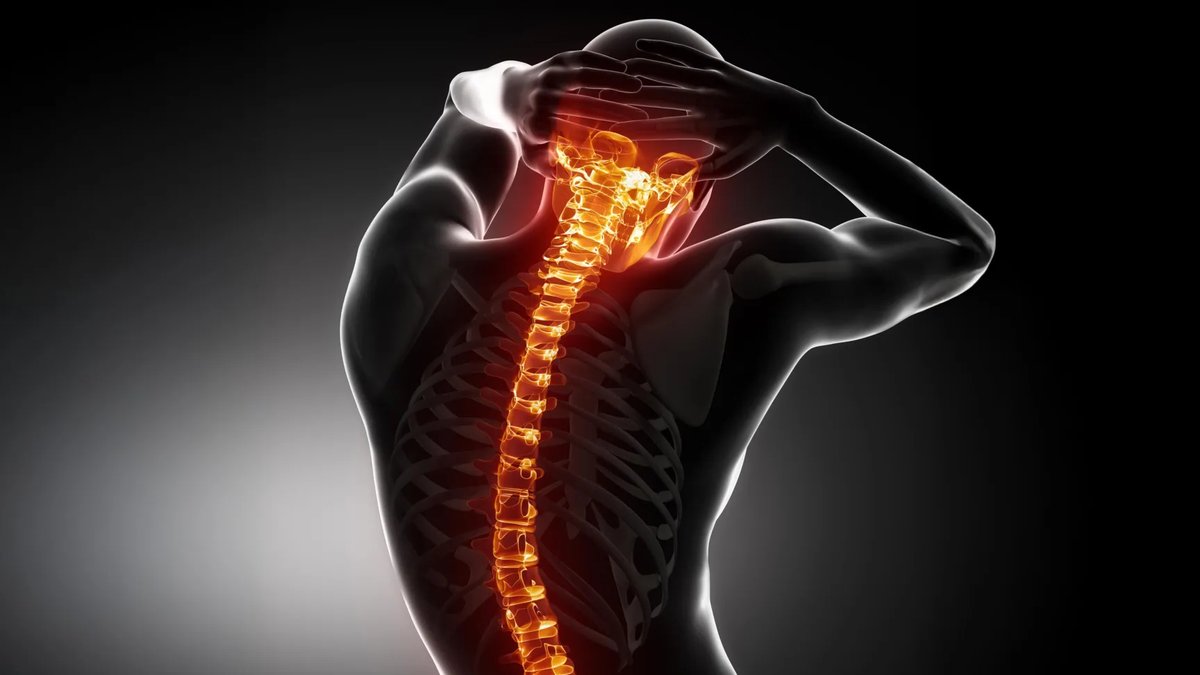
Researchers have identified an osteoporosis medication that halted abnormal mineral buildup in the spines of zebrafish, offering a potential new route to treat intervertebral disc degeneration (IVDD), a common cause of chronic back pain.
Zebrafish model mimics human disc disease
Scientists from the Universities of Edinburgh and Bristol engineered zebrafish lacking a functional copy of the collagen IX gene, a protein linked to early disc problems in humans. As the fish matured, they developed fused vertebrae and hard tissue between bones—features that closely resemble human IVDD.
The study observed that mineral deposits did not appear immediately. First, a scaffold layer within the developing spine deteriorated, creating a niche where minerals later accumulated. Gene‑activity profiling showed disruptions in fat processing, the mTOR growth pathway, phosphate regulation, and vitamin A signaling—each previously associated with abnormal calcification.
Osteoporosis drug shows promise
Among several interventions tested, a bisphosphonate—already prescribed to strengthen bone in osteoporosis patients—prevented the mineralization of spinal tissue in the zebrafish. Reduced food intake and drugs that suppressed fat metabolism also lowered the incidence of spinal fusion.
According to the report, targeting phosphate balance and fat metabolism may represent especially promising strategies for future medicines aimed at slowing disc degeneration.
Study lead Dr. Erika Kague noted that surgery has long been the only durable option for disc disease. “By understanding the biology that drives the spine to harden, our zebrafish studies point to several ways of slowing it down, including a drug already used safely in patients,” she said.
Related: Ancient Snake Brain Shows Unexpected Evolutionary Twist
The findings could change treatment outlooks.
While the findings are confined to a fish model, they echo past attempts to repurpose existing drugs for spinal conditions.
Back pain affects roughly 9.5 million people in the United Kingdom alone, according to statements from Arthritis UK. The organization’s head of research delivery, Dr. Caroline Aylott, called the work “fresh hope” for new therapeutic approaches, emphasizing the need for alternatives to surgery.
Funding for the project came from Arthritis UK and the Biotechnology and Biological Sciences Research Council (BBSRC).
Published in Communications Biology, the paper adds to a growing body of evidence that genetic and metabolic pathways play a central role in disc health. The authors suggest that future investigations should explore whether bisphosphonate dosing regimens used for osteoporosis can be safely adapted for patients with early‑stage IVDD.


Leave a Reply