
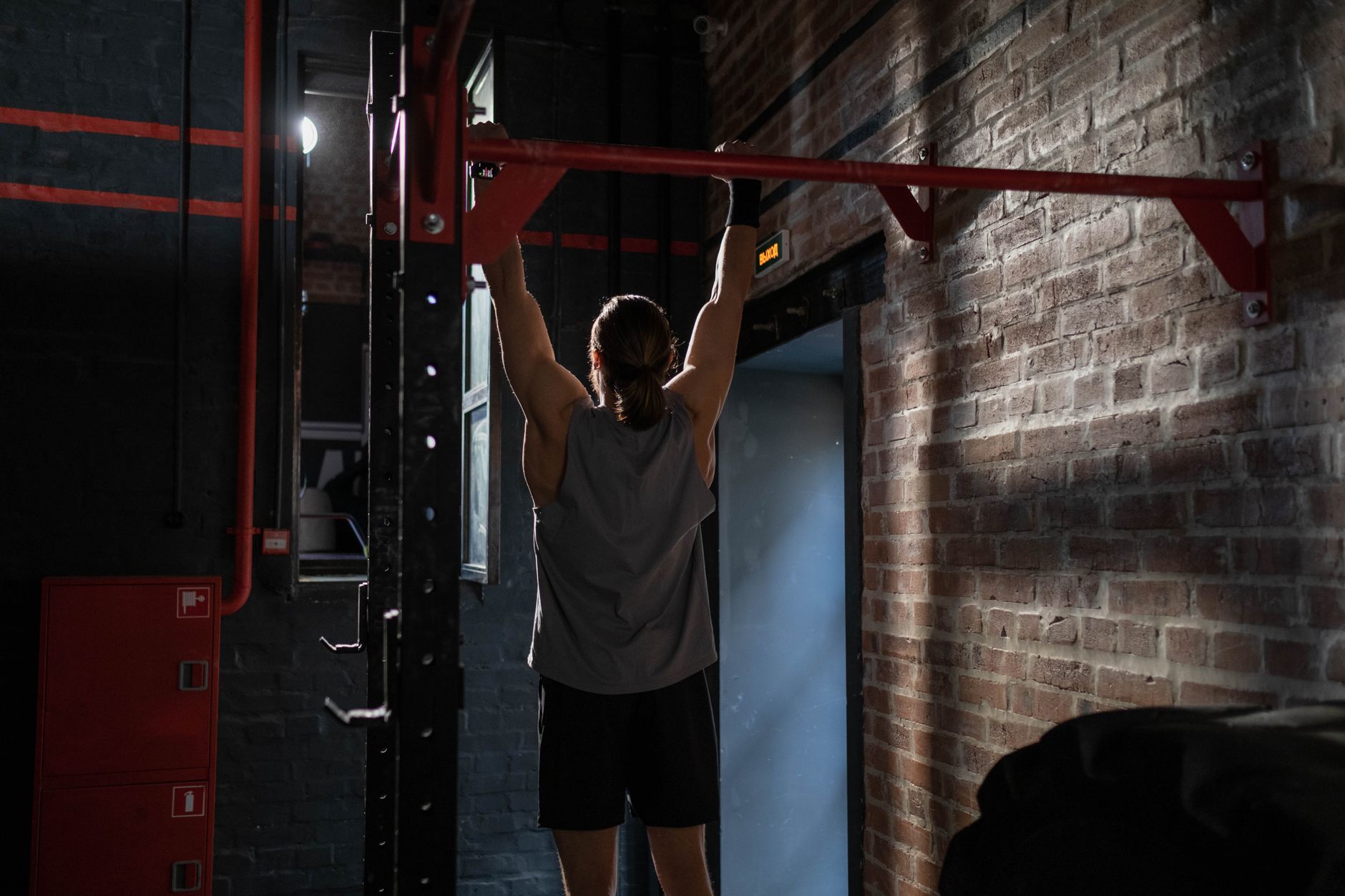
Pull-ups and chin-ups are often seen as tests of arm strength, but the real power comes from a proper setup. Many lifters skip the initial steps that create full-body tension, leading to weaker reps and energy leaks. A solid foundation starts with the grip, shoulder position, and core engagement. These details transform a basic movement into a full-body exercise.
How to Set Up for Stronger Pull-Ups and Chin-Ups
Choosing the right grip is the first step. For pull-ups, use an overhand grip with hands shoulder-width apart. For chin-ups, switch to an underhand grip. Squeezing the bar with intent helps establish connection and prepares the body for movement.
Hand positioning matters. A shoulder-width or slightly wider grip is ideal. Wrap thumbs around the bar, place it deep in the palms, and rotate hands so knuckles point upward. This neutral wrist position enhances tension and control.
Creating tension through the hands is key. Imagine pulling the bar apart to generate force from the forearms, lats, and upper back. This step ensures stability and sets the stage for a powerful pull.
Transitioning into an active hang by depressing the shoulder blades preloads the lats and improves shoulder alignment. This subtle movement makes the pull smoother and more efficient.
Bracing the core and squeezing the glutes turns the body into a rigid lever. This full-body tension minimizes swinging and maximizes force transfer from the lats to the bar.
Related: Cable Push Pull Boosts Athletic Performance
Before each rep, run through a checklist: grip chosen, hands positioned, tension created, shoulders packed, core braced, glutes engaged, and head neutral. This ensures every rep starts from a position of strength.
Common Pull-Up Mistakes That Limit Strength Gains
Initiating with the arms instead of the active hang shifts the workload to the biceps. Always start by depressing the shoulder blades and driving the elbows toward the ribs on the ascent.
Losing full-body tension causes energy leaks and poor form. Brace the core and squeeze the glutes before each rep to maintain stability and power.
Using momentum or swinging the legs turns the movement into a different exercise. Focus on strict reps by establishing the active hang and rebuilding tension from a dead stop.
Mastering the setup ensures the lats are engaged from the first rep. Lifters who prioritize tension before movement see greater strength gains and a more defined back over time.


Leave a Reply