
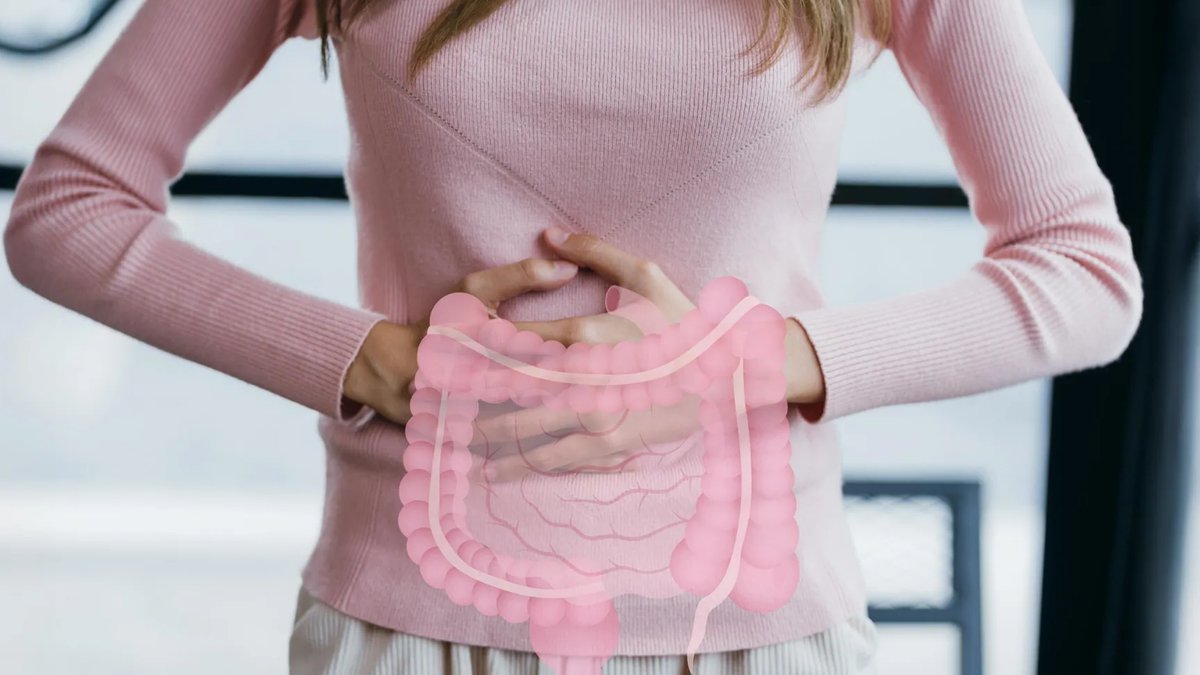
Researchers at Toho University have identified a naturally occurring compound in rice bran that may influence how strongly the intestines contract. The study suggests that ferulic acid could eventually support new dietary approaches for conditions like irritable bowel syndrome (IBS) and inflammatory bowel disease (IBD).
The work was led by Dr. Keisuke Obara, Dr. Kento Yoshioka, and Professor Yoshio Tanaka of the Faculty of Pharmaceutical Sciences. They found that ferulic acid (FA) can reduce intestinal smooth muscle contractions by blocking voltage-dependent calcium channels.
Ferulic acid is a polyphenol found in many plant-based foods, especially whole grains and rice bran. It is already known for its antioxidant and neuroprotective effects, and previous research has largely examined how it may benefit the body more broadly.
Much less was known about its effects on gastrointestinal motility. This is the coordinated muscle activity that moves food and waste through the digestive system.
People with IBS and IBD can experience abnormal intestinal movement. In some cases, the gut contracts too much, while in others, movement is reduced. The researchers set out to determine whether FA could directly alter these contractions.
Related: Gut Signals Influence Brain’s Memory Selection
Testing on Muscle Tissue
The team tested FA using guinea pig ileal longitudinal smooth muscle (ILSM). The compound significantly reduced contractions triggered by several signaling molecules, including acetylcholine, histamine, prostaglandin F2α, and serotonin.
The inhibitory effect was reversible. Normal contractions returned after FA was removed. It was also concentration-dependent, with stronger effects appearing at higher concentrations.
The researchers found that FA acted in a noncompetitive manner, which suggests that it did not simply block the receptors used by the signaling molecules. Instead, it appeared to interfere with a shared mechanism involved in muscle contraction.
While current treatments often rely on systemic drugs to manage these conditions, the discovery that a common dietary component can specifically target physiological ion channels bridges the gap between nutrition and pharmacology. This suggests that some components of whole foods function more like gentle drugs than simple nutrients.
Blocking Calcium Signals
Additional experiments using vascular smooth muscle cell models offered a possible explanation. FA reduced the rise in intracellular calcium caused by potassium chloride.
Related: Cable Push Pull Boosts Athletic Performance
Calcium entering smooth muscle cells plays a central role in triggering contraction. The results indicate that FA suppresses this process by inhibiting voltage-dependent calcium channels, reducing the calcium signals needed for the muscles to tighten.
The findings suggest that FA may act as a natural regulator of intestinal motility. By calming excessive smooth muscle activity, it could potentially help people with diarrhea-predominant IBD.
Dosage and Patient Considerations
The same effect may not be beneficial for everyone. In people with constipation-predominant IBS, or in healthy individuals, further slowing intestinal movement could make constipation or related symptoms worse.
The researchers emphasized that the concentrations of FA that produced an effect in vitro were higher than the blood levels usually reached through normal dietary intake. However, FA concentrations inside the intestines may be higher after food or supplements are consumed because the compound comes into direct contact with the digestive tract.
More research will be needed to determine whether the laboratory findings reflect what happens in the human body. Clinical trials will be necessary to confirm its effects in people, identify which patients might benefit, and determine safe and effective intake levels.


Leave a Reply