
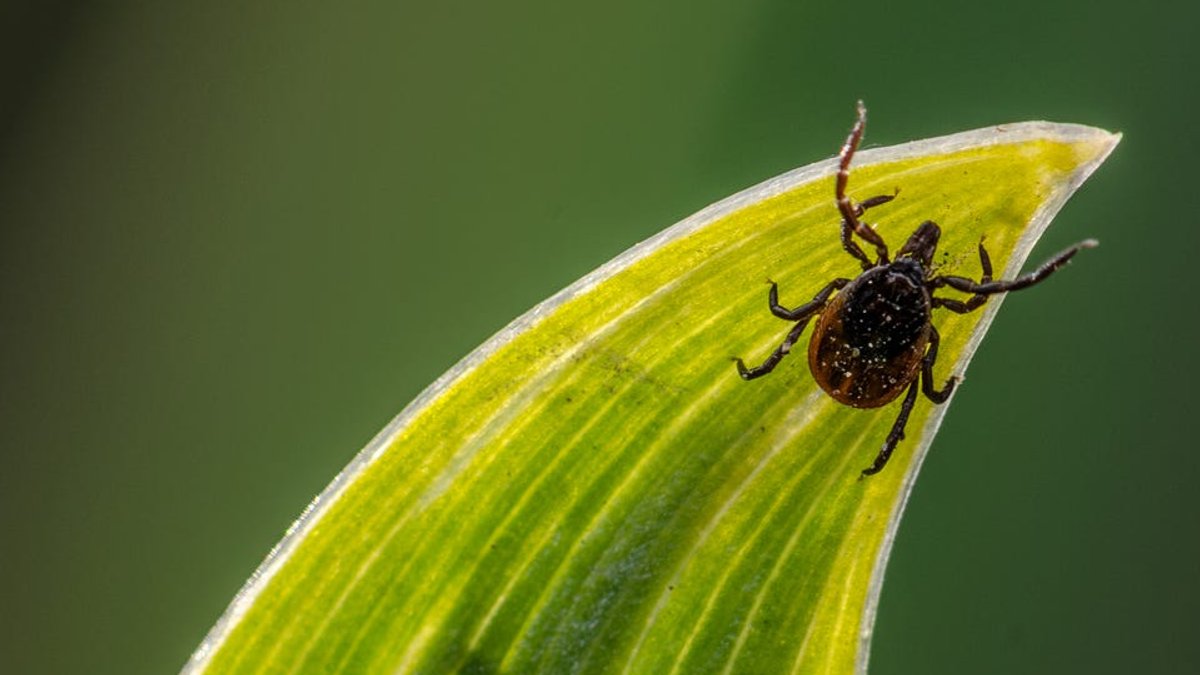
Emergency room visits for tick bites have reached a 10-year high this summer, according to data from the Centers for Disease Control and Prevention. The increase comes as ticks move into new areas, spreading illnesses beyond Lyme disease.
“A tick bite delivers multiple possible pathogens, not just one,” said Amesh A. Adalja, an infectious disease expert at the Johns Hopkins Bloomberg School of Public Health. “Treatment differs for each, and grouping every tickborne illness under ‘Lyme’ leads to missed and incorrect diagnoses.”
The risk of infection varies by location. William Schaffner, an infectious disease specialist at Vanderbilt University, explained that knowing which pathogens are common in your region helps narrow the diagnosis if symptoms appear.
“These illnesses can be serious and sometimes deadly if left untreated,” he added.
Lyme disease, caused by the bacterium Borrelia burgdorferi, is transmitted by infected blacklegged ticks. It appears most often in the Northeast. Symptoms include fever, chills, headache, fatigue, muscle and joint aches, swollen lymph nodes, and a distinctive rash. Antibiotics are the usual treatment.
Rocky Mountain Spotted Fever, caused by Rickettsia rickettsii, is carried by several tick species. It can be fatal within days without treatment. Symptoms range from fever and headache to nausea, vomiting, and muscle pain. Doctors in high-risk areas often prescribe doxycycline immediately, even before test results confirm the infection.
“Delaying treatment can be deadly,” Adalja said.
Anaplasmosis and ehrlichiosis are bacterial infections causing flu-like symptoms, typically without a rash. Anaplasmosis, spread by blacklegged ticks, occurs most in the Northeast and upper Midwest. Ehrlichiosis is caused by three types of bacteria spread by infected ticks. Both are treated with doxycycline.
For many, the risk seems remote until they develop a persistent fever. The symptoms—headache, fatigue, muscle aches—are easy to mistake for a summer cold, but waiting can have serious consequences. A single bite can disrupt daily life, especially for those who work outdoors.
If fever, fatigue, headache, or rash develops after time outdoors in tick-prone areas, Adalja advises seeing a doctor. “Mention any tick exposure, even if you didn’t notice the tick,” he said.
Ticks aren’t limited to remote areas. Schaffner pointed out they can be found in backyards, making regular checks important after activities like gardening or playing outside.
Athletes who train outdoors face higher exposure. Junior Nsemba, a rugby coach, emphasizes proper preparation to reduce risks during practice.
Prevention remains the best defense. Wearing long sleeves, using repellent, and performing thorough tick checks after outdoor activities can lower the chances of infection.


Leave a Reply