
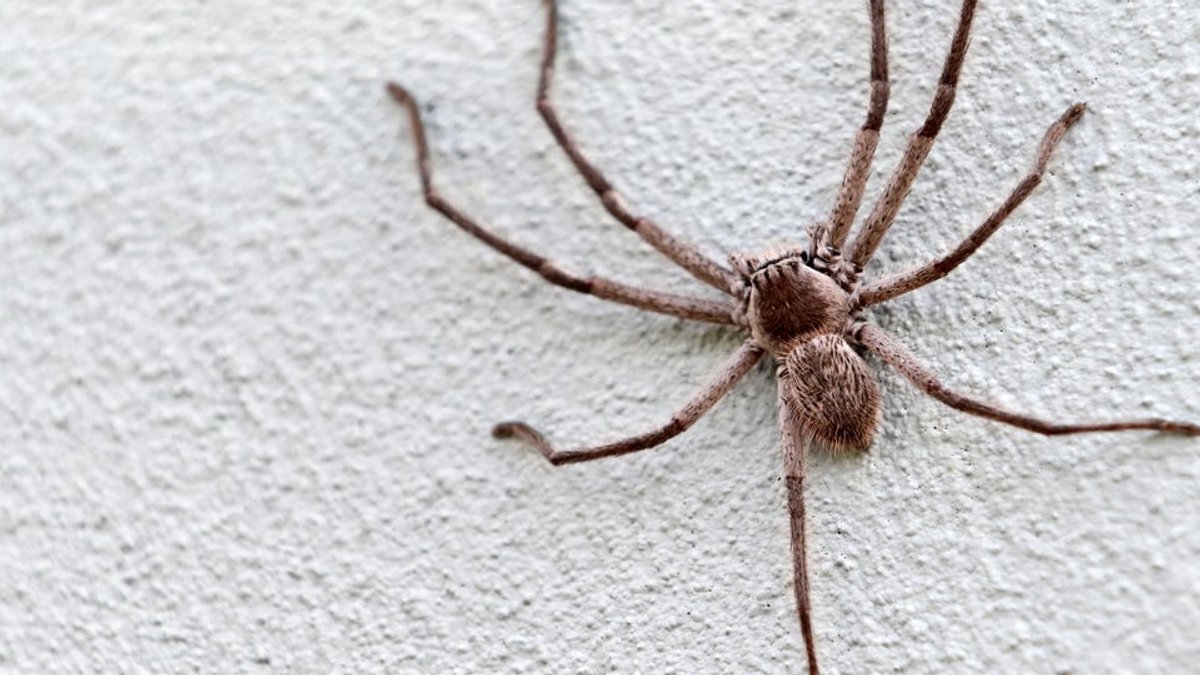
Being bitten by a spider isn’t something most people want to experience, but while spider bites aren’t as common as people think, they can and do happen. Most spiders in America won’t cause much damage, according to Gary Goldenberg, M.D., assistant clinical professor of dermatology at the Icahn School of Medicine at Mount Sinai Hospital.
A wolf spider or jumping spider bite will likely cause a red bump that may be a little sore or even painful. Still, in most situations, you should be fine.
Meet the experts: Hannah Burrack, Ph.D., professor and chair of the Department of Entomology at Michigan State University; Gary Goldenberg, M.D., assistant clinical professor of dermatology at the Icahn School of Medicine at Mount Sinai Hospital; Nancy Troyano, Ph.D., a board-certified medical entomologist with Ehrlich Pest Control; Nicholas Kman, M.D., an emergency medicine physician at The Ohio State University Wexner Medical Center.
What does a spider bite look like?
In a perfect world, you wouldn’t be bitten by a spider in the first place. Spiders usually only bite people when they feel threatened, so doing your best to avoid the creatures and checking objects that are in spider-friendly places—like your garage, attic, and closets—before you use them can go a long way toward preventing bites.
Related: Sitting too much may harm brain health
If you do receive a bite, it can be hard to know for sure if a spider was the culprit—unless you found it on you, says Nancy Troyano, Ph.D.. Hannah Burrack, Ph.D. agrees, “We can’t necessarily determine what bit you from the actual bite,” she says.
The bite mark is actually your skin reaction to venom or skin injury, Burrack explains. Because of that, how bites look varies from person to person.
How can you tell if a spider bite is dangerous?
There are two spiders in the U.S. that cause more intense reactions: the brown recluse and the black widow. A brown recluse spider bite is extremely painful and can cause necrotic wounds or lesions that may end up needing surgical repair, says Troyano.
The black widow has a jet-black coloring and a red hourglass-shaped marking on its abdomen. While rare, a black widow bite can also be “extremely dangerous,” says Troyano.
If you suspect you’ve been bitten by a brown recluse or black widow spider, seek immediate medical attention.
Related: Athena Vas trades fitness fame for Hollywood roles
How to treat a spider bite
If you’re unlucky enough to get a spider bite, there are a few things you can do to treat it at home if you suspect a relatively harmless spider was the offender.
Nicholas Kman, M.D. recommends washing the wound with soap and water to prevent infection.
In comparison to other insect bites, spider bites tend to be less severe, but it’s still essential to monitor the wound for signs of infection.
Many times, a spider bite will cause your body to release histamines, which cause swelling and itching.
How long does it take for a spider bite to heal?
Expect harmless bites to go away within a couple of days, says Troyano, as long as it does not show any signs of infection, like excessive swelling and feeling hot to the touch.
Related: Muscle Growth and Arm Size for Bigger Biceps
If you get bitten by a brown recluse or black widow, it may take weeks to properly heal, which depends on the severity of the bite or if an infection follows.
Spiders do not seek out people to bite—they only do so in defense or if trapped, says Burrack.
To prevent spider bites, it’s essential to be aware of your surroundings and avoid areas where spiders are commonly found. Wearing gloves when weeding or working in areas with high spider activity can also help prevent bites.
Most spider bites don’t get infected, Dr. Kman says. However, if you notice redness, warmth, swelling that won’t quit, or drainage or pus from the wound, see a doctor as soon as you can.


Leave a Reply