
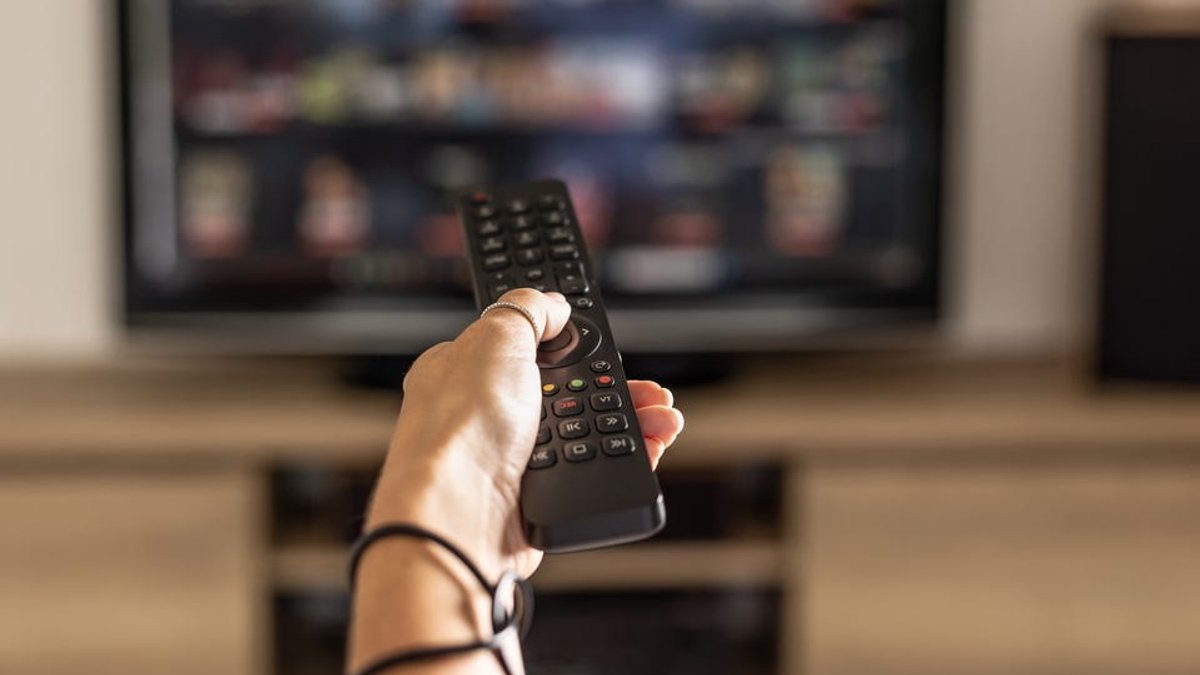
Watching a lot of television may reduce brain volume over time, a study following more than 1,700 adults for two decades found.
The work, published in Alzheimer’s and Dementia: Journal of the Alzheimer’s Association, showed that participants who watched TV “very often” in their free time had smaller brain volumes in regions tied to early Alzheimer’s signs. Scans also revealed more white matter hyperintensities—markers linked to cognitive decline—and smaller frontal and occipital lobes.
The frontal lobes manage planning and decision-making, while the occipital lobes handle visual processing. Though the study didn’t prove TV causes brain shrinkage, the connection remained after accounting for factors like physical activity, diet, and education.
Related: Scientists say popular supplement may ease chronic pain
Participants averaged 53 years old at the start and were part of the Atherosclerosis Risk in Communities Study, a long-term U.S. project examining cardiovascular and brain health. Researchers asked how often they watched TV and how much time they spent sitting at work. About 20 years later, MRI scans showed structural differences.
The study was observational, so it couldn’t establish cause and effect. It also lacked baseline MRI scans, making it impossible to know whether the changes developed over time or existed earlier.
Not all sedentary behavior appeared to affect the brain the same way. Those who sat for much of their workday had larger frontal and occipital lobes and fewer white matter hyperintensities than heavy TV viewers. The difference may come from work-related problem-solving, which offers more mental stimulation than passive TV watching.
Doctors suggested several reasons for the link. Soma Sengupta, chair of neurology at Tufts Medical Center, noted that TV often requires little mental effort compared to reading or learning a new skill. Over years, this lack of stimulation could weaken brain networks involved in memory and attention.
Related: Medicare Open Enrollment 2026 Key Changes
Anna Hohler, director of neurology for Northwell in Westchester, said TV might replace activities that strengthen neural networks, like exercise or social interaction. Other factors tied to heavy viewing—poor sleep, snacking, and low physical activity—could also contribute. While the study accounted for many variables, these habits may still play a role.
Another possibility is that people with early brain changes might naturally prefer passive activities like TV before symptoms appear.
Randy D’Amico, a neurosurgeon at Northwell’s Lenox Hill Hospital, stressed that the research doesn’t prove TV is harmful. “The concern is how we spend our sedentary time,” he said. “If you’re sitting for hours watching instead of exercising or socializing, that’s where the risk lies.”
Doctors advised keeping TV sessions short and avoiding long stretches of passive viewing. Hohler recommended taking breaks, staying active, and ensuring TV doesn’t replace sleep or social time. Light activity while watching—like walking or stretching—could help reduce risks.
Related: Pull-Up Setup Tips Build Back and Biceps Strength
Watching with others and discussing the content might add cognitive and social benefits.
D’Amico said the issue isn’t TV itself but what it replaces. “If passive screen time crowds out an active lifestyle, that’s when it becomes a problem.”
The study raises important questions about how downtime affects long-term brain health. While more research is needed, the findings suggest that mindful choices about leisure time may matter as much as physical activity.


Leave a Reply