
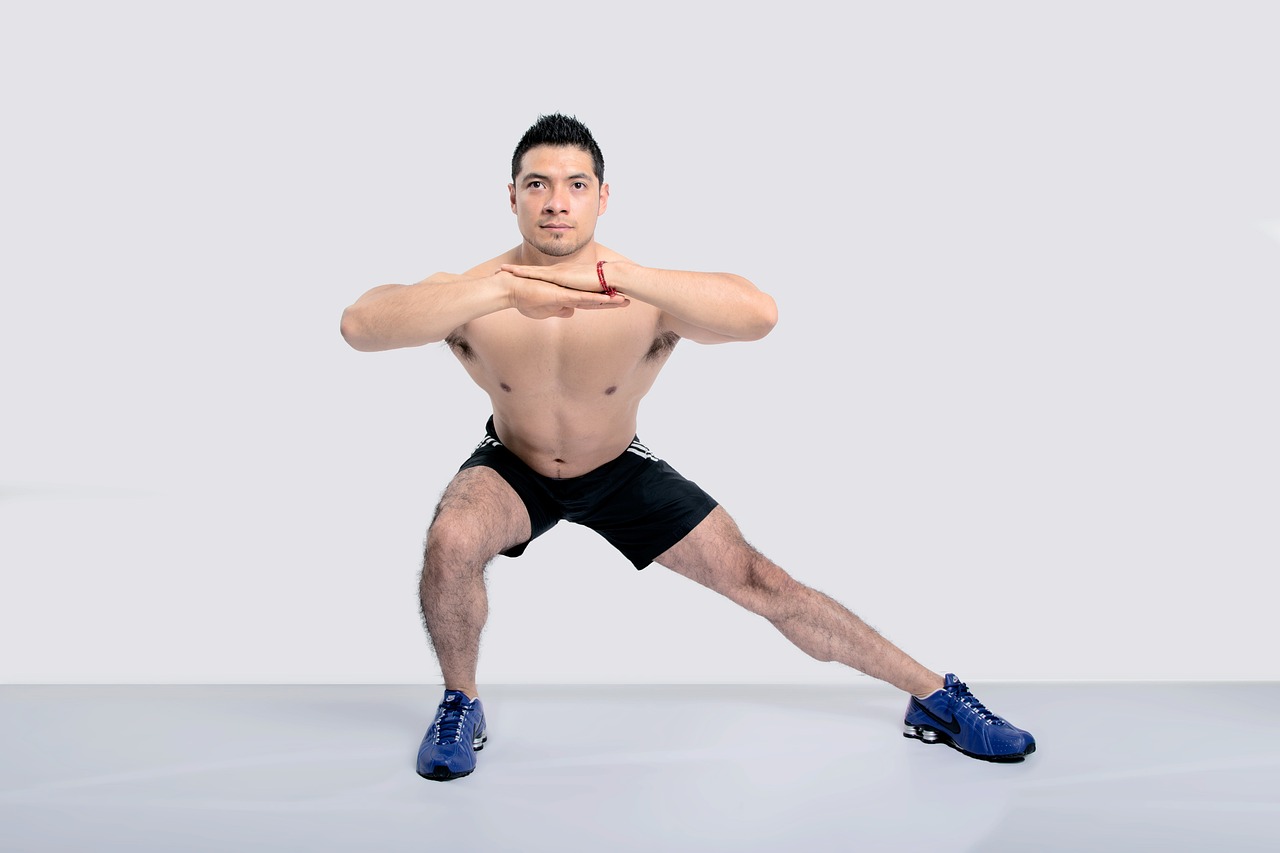
Many gym‑goers keep lunges in their routine because the movement targets the quads, glutes and hip stabilizers, yet instability can turn the exercise into a frustrating wobble. When balance falters, the benefits of the exercise diminish, prompting trainers to suggest alternatives that still develop single‑leg strength without the same degree of coordination demand.
Balance matters.
Related: Rugby Training Tips from Junior Nsemba
Why lunges can feel unstable
Three main factors often undermine a smooth lunge. First, weak hip stabilizers—especially the gluteus medius—allow the pelvis to tilt and the knee to cave inward. Second, poor foot stability, such as excessive inward rolling or shifting weight onto the toes, disrupts the force chain from ankle to hip. Third, coordination lapses make the sequence of lowering, balancing, and rising feel disjointed, especially with heavier loads.
Addressing these issues usually starts with targeted drills. Practicing single‑leg balance for 20‑30 seconds, strengthening the glute medius with lateral band walks, and training a tripod foot—pressure through the big toe, little toe and heel—are common recommendations. Slowing down the lunge tempo also helps expose and correct hidden weaknesses.
Related: Tips for living with bipolar disorder
What to look for in a lunge alternative
An effective substitute should preserve single‑leg strength, reduce the balance challenge, and still activate the glutes and quads. It should also reinforce the movement patterns needed for a successful return to lunges, ensuring that the body builds the necessary stability and coordination.
These alternatives are not meant to replace lunges permanently but to act as stepping stones. By focusing on the weak links—hip stabilizers, foot placement, and coordination—athletes can return to lunges with a sturdier foundation.
Related: Top Reviews Reveal Best Women’s Health Products
Strengthening single‑leg strength is valuable for any sport that requires rapid changes in direction. The same muscles that keep a squat stable also help prevent injuries during sprinting or cutting, making these exercises relevant beyond the gym.
When the balance issues are finally resolved, the classic lunge can once again deliver its intended benefits: stronger legs, better hip stability and the characteristic muscle soreness that signals effective training.


Leave a Reply