
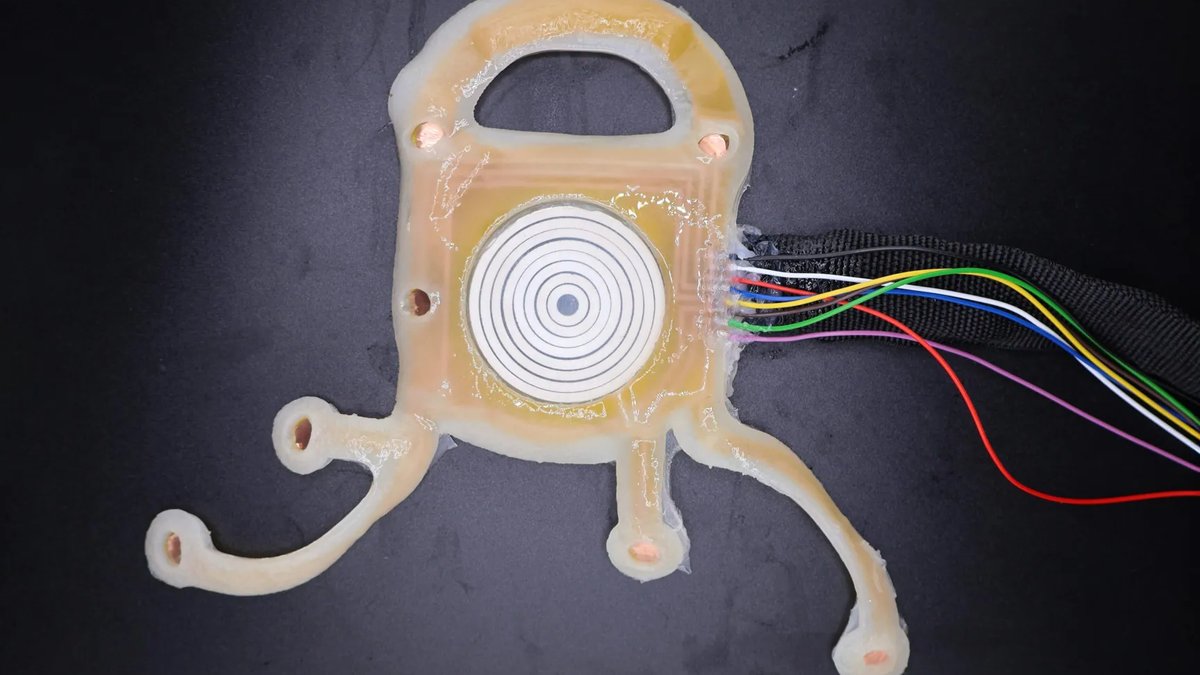
Researchers at the University of Texas at Austin have unveiled a soft wearable ultrasound patch that shortens the time it takes to reach rapid‑eye‑movement (REM) sleep without drugs or surgery.
Device design and early results
The patch, called NEUSLeeP, combines low‑intensity ultrasound stimulation with surface electrodes that record brain activity in real time. This dual function lets the device influence deep brain structures linked to REM while tracking how the brain responds.
In a trial of 28 volunteers, participants fell into REM about 43 minutes earlier than they would have without the patch and stayed in that stage roughly 16 minutes longer on average. The study, published in Nature Communications, included people who reported occasional sleep trouble as well as those who said they slept well.
Users described the patch as comfortable and safe.
The report noted only minimal adverse effects, suggesting the technology can be applied in a home setting without major risk.
Potential wider health impacts
Beyond sleep timing, the researchers observed an increase in heart‑rate variability among healthy participants. This metric often reflects how the body manages stress. Brain imaging also showed activity shifts in circuits tied to emotion, hinting that the patch might influence mood regulation.
Related: Osteoporosis drug halts spinal damage in study
“REM sleep is not just about dreaming — it’s about emotional reset and stress adaptation,” said Gregory Fonzo, an assistant professor of psychiatry and one of the project’s co‑principal investigators. “By enhancing REM, we may help people better cope with stress and improve their overall well‑being.”
Disruptions to REM have been linked to depression, anxiety and post‑traumatic stress disorder. Existing treatments such as medication or behavioral therapy can carry side effects and may not directly target the brain mechanisms that control REM.
Looking ahead, the team plans larger trials to see if the patch can aid individuals with chronic insomnia, depression or PTSD. They also see opportunities for home‑based sleep monitoring and personalized treatment plans.
One cautious observation: while early data are promising, scaling the technology will require confirming that the ultrasound stimulation remains precise across diverse users and that long‑term use does not introduce unforeseen effects.
“Our vision is a future where patients with mental health disorders can optimize their sleep with a noninvasive and safe treatment,” said Vincent Mysliwiec, M.D., a professor of sleep medicine and co‑principal investigator. “This technology could help millions of people get the restorative sleep they need.”
They are working with the university’s commercialization unit, Discovery to Impact, and have filed a patent application for the device. Team members include a mix of engineers, psychologists and biomedical scientists from UT and partner institutions.


Leave a Reply