
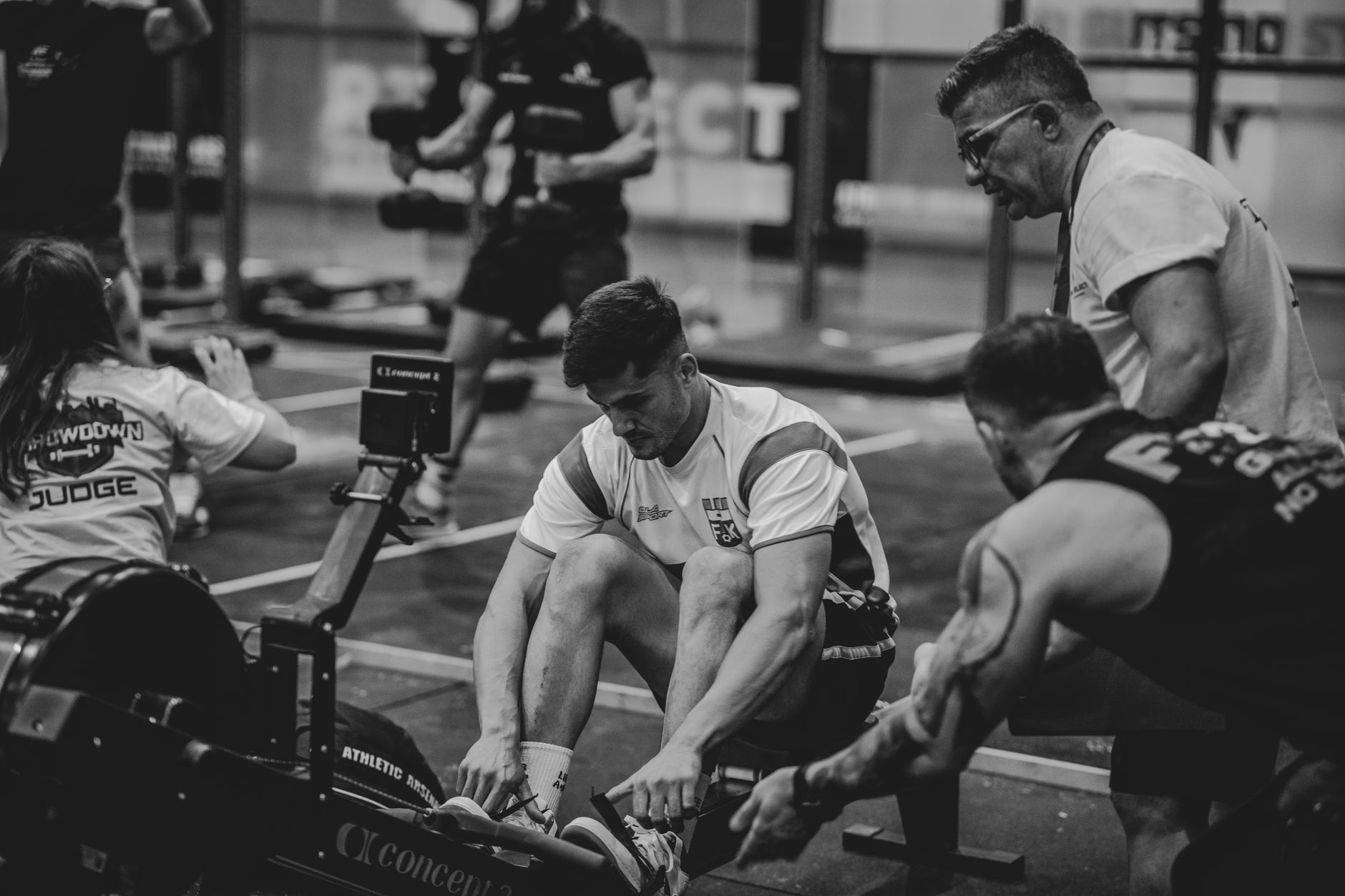
More than two million athletes will compete in HYROX events during the 2026/27 season, marking a 33% increase from the previous year. The fitness racing series unveiled its 2027 calendar this week, adding 107 race weekends across six continents and introducing longer formats to accommodate demand.
New cities and extended events define 2027 expansion
The upcoming season includes four new host cities: San Diego, Portland, Bari, and Nagoya. Major markets will now host events lasting up to 10 days, moving beyond the traditional one- or two-day format. The World Championships will take place in Hong Kong from June 10-13, 2027.
For younger participants, HYROX Youngstars competitions will expand in North America, with new dates in Houston and Atlanta. The extended schedule provides competitors more flexibility to plan their season, whether targeting a single event or multiple races.
Tickets will go on sale by region at the end of July, with additional events potentially announced later.
U.S. schedule adds San Diego and Portland
The 2027 U.S. calendar features eight confirmed events in the first half of the year, with two new locations joining the lineup. San Diego and Portland will host races in May, while Chicago, Phoenix, and Las Vegas remain on the schedule.
Related: Legendary athletes headline 2026 Hall of Fame class
Here are the announced U.S. dates:
- Chicago: February 11-15, 2027
- Phoenix: February 11-15, 2027
- Las Vegas: March 12-14, 2027
- Miami Beach: March 26-28, 2027
- Houston: April 1-4, 2027
- Atlanta: April 23-25, 2027
- San Diego: May 13-16, 2027
- Portland: May 21-23, 2027
New York’s date has yet to be confirmed. The spread of events allows athletes several months to prepare, whether aiming for one competition or a full season.
Extra lead time offers more than just training opportunities. It provides room to develop the endurance and strength needed to sustain performance under fatigue. That resilience separates finishing from finishing strong, particularly when races demand both speed and stamina.
Training for HYROX 2027 without burnout
Early preparation should focus on building a physical foundation before shifting to race-specific work. Performance depends on maintaining running pace, managing repeated high-output efforts, and staying efficient as fatigue sets in. These qualities develop over months.
Aerobic fitness helps sustain pace over the 8 kilometers of running and recover between stations. Improving this base allows better effort control and faster fatigue clearance. Early training can emphasize easy aerobic work and threshold development to build durability.
Related: Strength Training with Cardio Cuts Death Risk 45%
Strength training remains essential for producing force efficiently, even after several kilometers of running. A balanced program should include lower-body strength, upper-body exercises, and core stability to support movements like sled pushes and lunges.
As race day nears, training becomes more specific. Running after strength stations, shorter intervals with limited recovery, and repeated transitions help athletes adapt to the race rhythm. Pacing errors early can worsen later, so controlled efforts matter.
Full simulations can assess pacing and fueling strategies but come with high recovery costs. Most progress comes from consistent individual sessions rather than repeated full simulations.
In the final weeks, training volume decreases while maintaining intensity. The goal is to arrive healthy and confident in the fitness already built.
Planning a multi-race season
Athletes competing multiple times in 2027 must balance training and recovery. The time between events determines how aggressive the plan should be—a three-week turnaround requires a different approach than a two-month gap.
Related: Active Adults May Need More Protein for Longevity
Selecting one or two priority races gives the season structure. Other events can test pacing strategies or evaluate current fitness.
Recovery starts immediately after a race. Easy aerobic work and mobility sessions help restore movement before returning to regular training. Lingering soreness or fatigue signals the need for more rest.
During the season, maintaining strength and aerobic capacity can sustain performance between events. When races are close together, quality training and avoiding unnecessary fatigue become critical.
A longer break allows rebuilding training volume and addressing weaknesses. A shorter turnaround requires focusing on recovery and maintenance to stay sharp.
The 2027 calendar offers more competition opportunities than ever. Planning those races with the same care as training helps athletes perform at their best while staying healthy.


Leave a Reply