
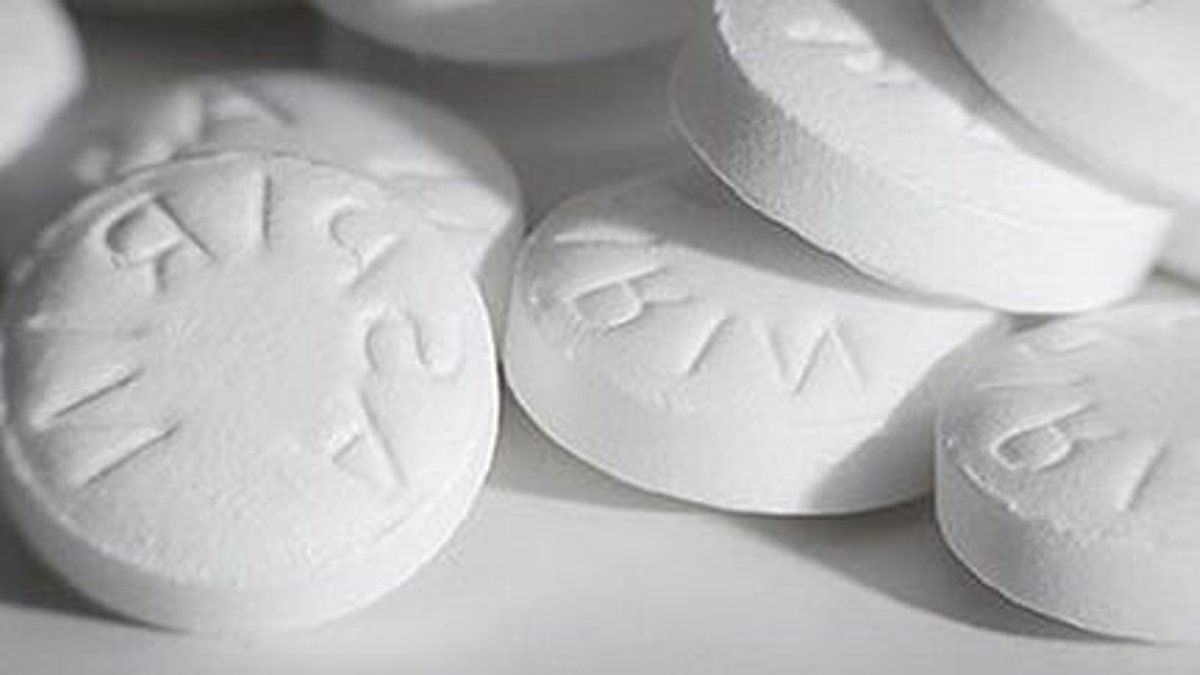
Certain medications commonly prescribed to elderly Americans may pose greater risks than benefits. Benzodiazepines, antibiotics, and aspirin are among the drugs that warrant careful review. Healthcare providers recommend that seniors discuss all medications with their primary care doctors.
Why stopping is hard
When medical researchers evaluate widely prescribed drugs, they sometimes discover that older adults experience fewer benefits or face increased dangers compared to younger populations. Subsequent studies often confirm these observations. Eventually, professional medical organizations update their recommendations, suggesting that such medications should either be avoided entirely or used more cautiously in elderly patients.
For drugs intended for preventive purposes, the U.S. Preventive Services Task Force, an independent advisory group, might issue specific warnings. The FDA could also implement “black box” alerts regarding potential adverse effects. Years later, researchers examine nationwide prescription data to determine if usage has decreased. Frequently, the response is mixed—usage declines slightly, but not sufficiently. In some instances, consumption remains unchanged or even grows.
Dr. Michael Steinman, a geriatrician at UC San Francisco and co-director of the U.S. Deprescribing Research Network, described medications as persistent as barnacles. “They’re easy to start, but they can be hard to stop,” he explained. Part of this challenge stems from delays in sharing new research findings. “Clinicians have a million things they need to know and attend to, and information may take a while to get to them,” Steinman noted. Additionally, established treatment patterns become deeply embedded habits. “Finding alternative approaches is challenging, so ‘it’s easy to go with what you know,'” he added.
The risks of sedatives
Benzodiazepines—including medications like Valium, Xanax, and Ativan—are frequently prescribed for insomnia and anxiety. According to Dr. Mark Olfson, a psychiatrist and epidemiologist at Columbia University, these drugs and similar “Z” drugs (Ambien, Lunesta) “may impair balance, coordination and cognition that can translate into falls and fractures and motor vehicle accidents,” Olfson said. In patients also taking opioids for pain, benzodiazepines can cause overdoses. Moreover, “once you’ve taken them for a period of time, you develop a dependence,” Olfson added. “When you come off them, you may develop withdrawal symptoms.”
Olfson’s recent analysis, published in the Annals of Internal Medicine, revealed encouraging trends. Among individuals aged 65 and above, prescription rates for benzodiazepines fell from approximately 14% in 2015 to 11.5% in 2024. However, progress has plateaued since 2020, possibly due to the pandemic. Usage among those over 75 actually increased from 12% in 2020 to roughly 13% four years later. Pharmacy dispensing in long-term care facilities more than doubled during the same period. Additionally, nearly one-third of users took the medication for over six months, raising concerns about addiction. “It’s worrisome,” Olfson stated.
Related Post: Wildfire smoke risks surge as doctor shares survival tips
He emphasized that abrupt discontinuation is dangerous. “It requires supervised tapering” under medical supervision, he said. “It takes many weeks.”
Overprescribing Antibiotics
Antibiotics were traditionally the default treatment for diverticulitis, an inflammation or infection of pouches in the colon. Doctors primarily prescribed fluoroquinolones (such as Cipro and Levaquin) or amoxicillin-clavulanate (Augmentin). “It was unquestioned,” said Jesse Sutton, a pharmacist and researcher at the Minneapolis Veterans Affairs healthcare system. “Antibiotics are safe and effective, great, lifesaving drugs, so the mindset was: When in doubt, use them.”
This approach shifted in 2015 when the American Gastroenterological Association advised against routine antibiotic prescriptions for uncomplicated cases. Other medical organizations soon followed. Clinical trials demonstrated minimal impact on mortality, surgical requirements, complications, or recurrence rates. “They hadn’t improved anything,” Sutton observed. He also highlighted frequent side effects that lead to numerous emergency room visits, including nausea, vomiting, and diarrhea. Antibiotics also raise the risk of severe C. difficile infections. Furthermore, “the more you use antibiotics, the less they work in the future,” he warned. The World Health Organization has classified antimicrobial resistance as a critical global health threat.
Sutton and his team analyzed 70,000 patient visits across 120 VA facilities, expecting antibiotic use for uncomplicated diverticulitis to decrease over a decade. Contrary to expectations, their findings, also published in the Annals of Internal Medicine, showed prescriptions remained constant at 97%. Most patients would likely have recovered equally well using acetaminophen and a clear liquid diet. Antibiotic misuse persists in treating asymptomatic urinary tract infections and viral upper respiratory infections. Sutton encourages patients to question unnecessary prescriptions. “If they don’t, it’s OK to press pause,” he suggested.
When Aspirin Isn’t The Answer
Aspirin differs from other medications because it’s inexpensive and available without a prescription. Many older adults self-medicate daily to prevent heart disease. For patients who’ve previously experienced a heart attack, stroke, or undergone cardiac procedures like stent placement or bypass surgery, low-dose aspirin effectively reduces the likelihood of future cardiovascular events.
However, recommendations changed significantly in 2019. The American College of Cardiology and the American Heart Association advised against aspirin for primary prevention in adults over 70. The U.S. Preventive Services Task Force extended this caution to individuals beginning at age 60. Large-scale clinical trials revealed minimal protective benefits but identified notable risks, particularly gastrointestinal bleeding. As people age, bleeding risks rise. Less commonly, but more dangerously, aspirin can trigger brain hemorrhages. A JAMA study conducted last year found that aspirin use for primary prevention declined between 2011 and 2023. Nonetheless, over a third of adults aged 70 and older continued taking it.


Leave a Reply