
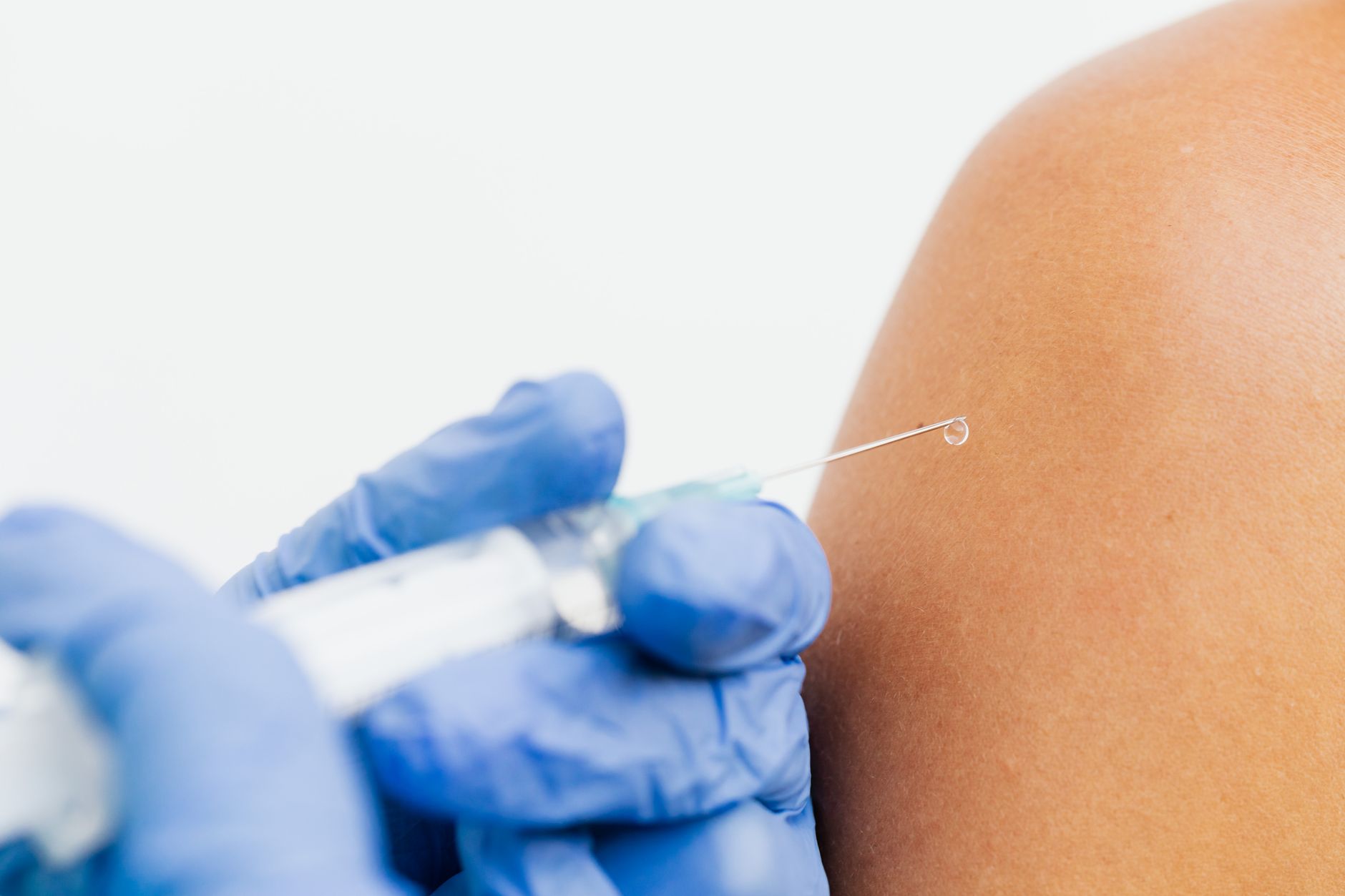
Cancer vaccines are moving from theory into clinical reality, but the results have been mixed. Two recent trials highlight the difficulty of translating immune responses into actual patient survival. On August 19, Moderna and Merck reported that their combination therapy for melanoma met its endpoints, while nine days later, BioNTech and Genentech halted a colorectal cancer trial after it crossed a futility boundary. The divergent outcomes raise a fundamental question for researchers: is generating tumor-specific immunity enough, or must cancer vaccines also create conditions in which that immunity can function?
Injecting oxygen to boost the immune response
Researchers at Northeastern University have developed a new platform designed to solve both problems at once. The Boston-based team created an injectable scaffold that combines prolonged tumor-antigen delivery with local oxygen generation. The study, published in Cell Biomaterials, showed that the platform generated cellular and humoral antitumor immunity and extended survival in a mouse model of prostate cancer.
The platform, called Click O2-CryogelVAX, uses a macroporous cryogel made from modified hyaluronic acid. Its interconnected pores allow immune cells to infiltrate and interact with prostatic acid phosphatase (PAP), a prostate tumor-associated antigen, along with GM-CSF and the adjuvant Poly(I:C). A major challenge with biomaterial vaccines is retaining antigen long enough to stimulate immune cells. Proteins trapped in hydrogels can load inefficiently and diffuse away rapidly. The researchers instead used click chemistry—a highly selective, biocompatible reaction that was garnered the 2022 Nobel Prize in Chemistry—to covalently tether PAP to the hyaluronic acid scaffold.
This chemical conjugation improved antigen retention and provided more sustained exposure to antigen-presenting cells. Click conjugation improved antigen loading by over 90%, while physical encapsulation retained only 10%–18%. Critically, the oxygen-generating version did not permanently lock the antigen. Over 96 hours, Click O2-CryogelVAX released 90% of conjugated PAP, which may have allowed dendritic cells to recruit, load, and activate before migrating to draining lymph nodes and priming adaptive immunity.
The biomaterial’s second component addresses hypoxia. The scaffold incorporates calcium peroxide and catalase to generate oxygen locally for approximately 48 hours. Oxygen-generating cryogels reduced hypoxic leukocyte infiltration from 63%-75% to 41%-42% in vivo. Hypoxia-driven signaling can promote extracellular adenosine accumulation and impair dendritic-cell and effector T-cell activity, creating an environment hostile to productive antitumor immunity. The oxygen-generating version appears to counteract this by improving the local metabolic environment.
Click O2-CryogelVAX increased antigen uptake by conventional dendritic cells and expanded antigen-presenting cells and mature B cells in draining lymph nodes. Vaccination also promoted central-memory CD4+ and CD8+ T-cell populations. Antigen restimulation demonstrated increased TNF-α and IL-2 responses in CD8+ T cells and increased IFN-γ production under several conditions.
Extending survival in mouse models
The investigators tested the vaccine therapeutically against established TRAMP-C2 prostate tumors, an immunologically “cold” syngeneic model. Median survival was 47 days with bolus vaccination, 64 days with O2-CryogelVAX, and 76 days with Click O2-CryogelVAX. The latter resulted in a 62% increase in median lifespan, and two animals maintained tumor control through the study endpoint.
These results should not be conflated with the clinical progress of individualized mRNA vaccines. Click O2-CryogelVAX remains a mouse-stage platform, used a tumor-associated self-antigen rather than patient-specific neoantigens, and has yet to undergo the toxicology and translational studies required for clinical development. The clinical question is now whether cancer vaccines induce immunity and when that immunity leads to disease control. The cryogel study suggests antigen selection is only one variable. Antigen persistence, dendritic-cell activation, checkpoint inhibition, tumor immunogenicity, and microenvironment metabolism may determine whether vaccine-induced T cells can kill a tumor. Therefore, cancer vaccines’ next generation may not be defined by better antigens but by strategies that make tumors more accommodating to vaccine-induced immunity. Osteoporosis drug halts spinal damage in study.
Other research highlights the broader implications of metabolic factors on immune function. Vitamin B12 Levels in Parents Linked to Birth Defects in Children.


Leave a Reply