
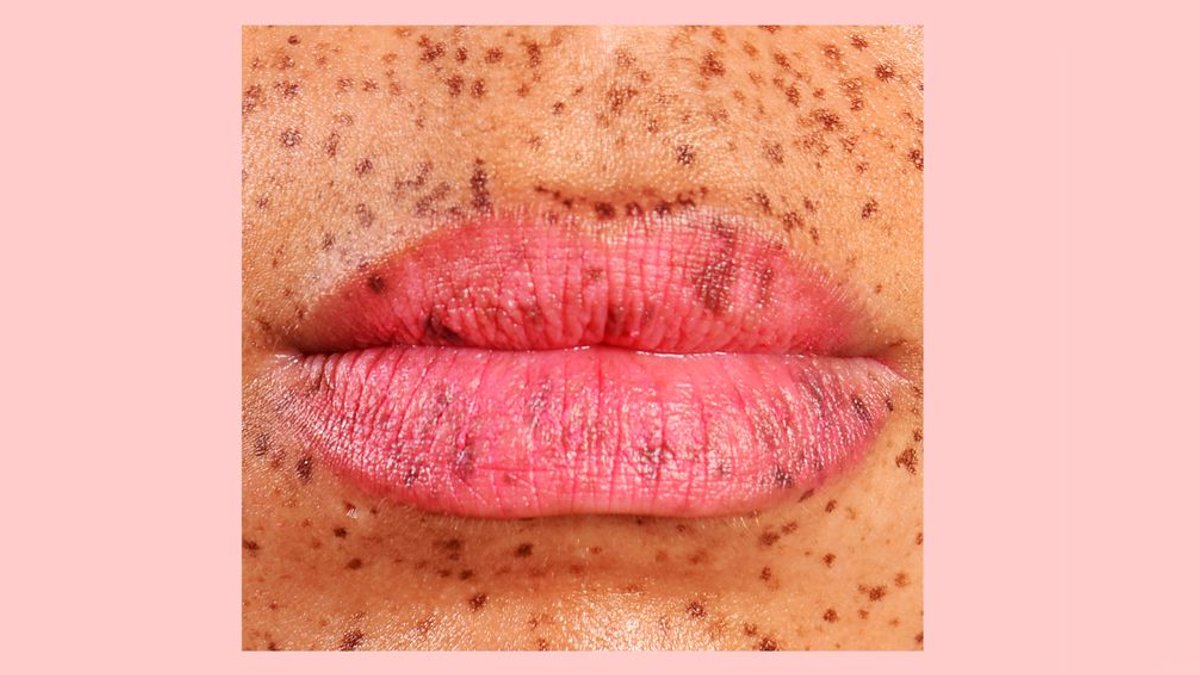
Cracked lip corners—a common but painful condition—can turn simple tasks like smiling, eating, or kissing into an uncomfortable experience. Known medically as angular cheilitis, the issue often stems from dryness, bacterial buildup, or environmental factors. While minor cases improve within a week with basic care, severe or persistent symptoms may require professional treatment to avoid long-term damage. The condition can also appear differently in people with darker skin tones, where affected areas may show up as pale patches with darker borders rather than the typical redness, making diagnosis slightly more challenging without proper examination.
The first step is creating a moisture barrier. Dermatologists recommend occlusive products like Vaseline, Aquaphor, or CeraVe ointment to seal in hydration and prevent further drying. These products form a protective layer that locks in moisture while shielding the skin from irritants. Applying a thin layer to the affected corners—especially after washing your face, helps speed up healing. Occlusives work by preventing moisture loss through the skin’s surface, which is particularly important for the delicate corners of the mouth that lack the thick protective layer found elsewhere on the face. The best time to apply these products is right after cleansing, when the skin is slightly damp, to maximize their effectiveness.
Moisturizing is just as critical. Lightly dabbing fragrance-free moisturizer, coconut oil, or olive oil on the corners can restore lost moisture. Overapplication isn’t necessary; a small amount allows the skin to rebuild its natural oils over time. For extra protection, layer an occlusive product on top of the moisturizer to enhance the barrier effect. The oils in coconut and olive oil provide additional soothing properties that can help reduce inflammation, while fragrance-free moisturizers minimize the risk of irritation from added chemicals or perfumes. This two-step approach, moisturizer followed by occlusive, creates a more effective moisture-retaining system than either product used alone.
Hydration starts inside your body
Hydration works from the inside out. Drinking plenty of water helps maintain skin elasticity, while avoiding dehydrating drinks, like those with high acidity, prevents further irritation. A humidifier in dry environments, especially at night, adds moisture to the air, reducing evaporation from the skin’s surface. This is particularly useful in winter or arid climates where dryness worsens. Placing a humidifier near your bed creates a more conducive healing environment overnight, when skin naturally repairs itself. For those in particularly dry climates, using a humidifier in other frequently occupied rooms, like the workspace or living area, can provide additional benefits throughout the day.
Avoiding common habits can prevent setbacks. Licking lips might feel like a quick fix, but saliva evaporates fast, leaving a sticky residue that traps bacteria. This can lead to infection and delay healing. Similarly, rapid temperature shifts, like moving from heat to cold, strip moisture from the skin, exacerbating cracking. Sun exposure also plays a role; opting for a lip balm with SPF protects against further damage.
Read Also: Genes reveal prostate cancer risks and treatment clues
The bacteria in saliva can thrive in the moist environment created by licking, particularly in the corners of the mouth where skin folds trap moisture. This bacterial buildup often triggers or worsens inflammation, creating a vicious cycle of cracking and healing. Additionally, extreme temperatures, whether from cold winter air or hot summer conditions, can cause the skin to lose water rapidly, leading to micro-tears and further irritation.
When to see a dermatologist
In practice, these measures address the root causes of cracked corners. For most people, the combination of barrier repair, hydration, and avoiding irritants reduces symptoms within a week. However, those with underlying conditions, like nutritional deficiencies or immune disorders, may need longer recovery. Smoking, poor diet, or chronic mouth breathing can also prolong healing, making lifestyle adjustments key to faster results.
If cracks persist beyond a week, worsen, or become painful, swollen, or infected, a dermatologist should evaluate the issue. Untreated angular cheilitis can lead to scarring or discoloration, particularly in people with darker skin tones, where the condition may appear as pale patches with darker borders instead of redness. Early intervention ensures the best outcome.
Consistency beats overnight miracles
While overnight fixes don’t exist, consistent care, barrier products, hydration, and avoiding triggers, delivers noticeable improvement in days. For severe cases, professional guidance ensures targeted treatment, whether through prescription ointments or addressing underlying health factors. The key to successful treatment lies in consistency and patience. Even with proper care, some cases may take several weeks to fully resolve, particularly if they are severe or related to underlying health conditions.


Leave a Reply