
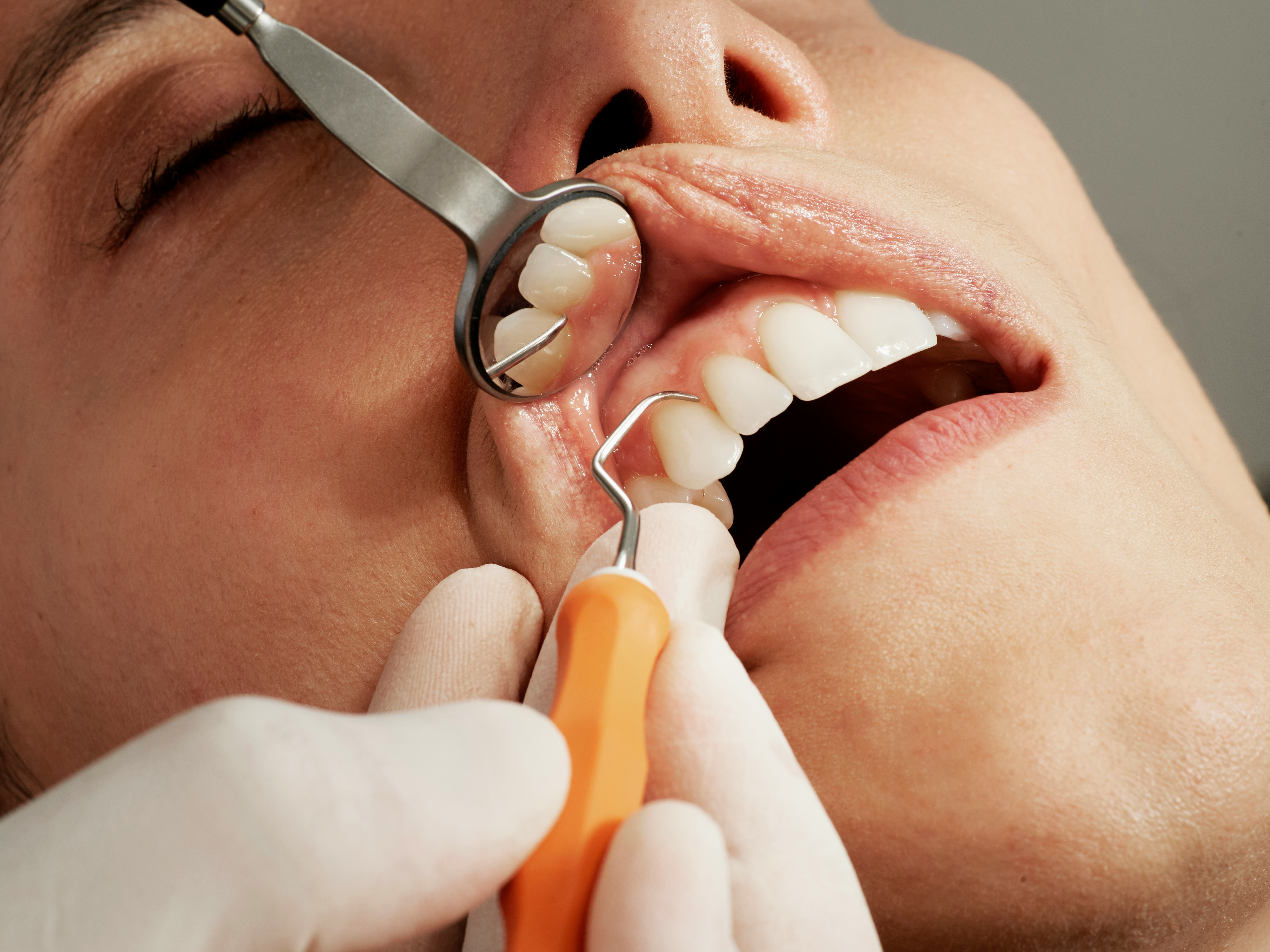
The journey toward lifelong dental health begins long before a child has a full set of permanent teeth. It is a process that unfolds in stages, shifting from the gentle care required for a baby’s first tooth to the more involved, collaborative approach needed for a teenager’s evolving smile. Understanding this progression can help parents feel more prepared for the milestones ahead.
Early Dental Experiences and Building Familiarity
The earliest interactions a child has with a dental office often set the tone for how they will perceive oral health as they grow. For many toddlers, the initial focus is not on complex treatment, but on exploration and acclimatization.
A thoughtful first visit typically involves helping a child feel comfortable in the environment. This often means sitting in a chair, counting teeth, and introducing the tools in a way that feels like a game rather than a medical procedure. Practitioners who specialize in dentistry for children often emphasize that the goal of these first encounters is to establish a sense of safety and curiosity.
During these early years, parents often learn how to manage home care effectively. A practitioner might explain why certain brushing techniques are more effective for smaller mouths or offer guidance on how to introduce a toothbrush without creating resistance. Building these habits early on often makes the transition to more independent brushing much smoother as the child matures.
Navigating the Transition to Permanent Teeth
As children enter their school-age years, the focus of their dental care often shifts toward monitoring the development of permanent teeth and ensuring that primary teeth are shed at appropriate intervals. This is a dynamic phase where a child’s mouth changes rapidly.
A kids dentist near me—or any local practitioner familiar with pediatric development—typically pays close attention to how new teeth emerge. They may look for signs that a baby tooth is lingering too long or check to see if permanent teeth have enough space to erupt in their proper positions. This is also the stage where preventive measures become increasingly relevant. Techniques such as applying thin, protective coatings to the grooves of molars can be a helpful way to discourage decay in areas that are often difficult for a child to reach with a toothbrush.
At this age, conversations with the dental team often turn toward the child’s role in their own care. Practitioners might discuss the importance of limiting certain types of sugary snacks or explain why drinking water is beneficial for neutralizing acids in the mouth. It is a period of empowerment, where the child begins to understand the connection between their daily choices and the health of their smile.
Monitoring Alignment and Long-Term Development
As children grow into their pre-teen and teenage years, the scope of dental care often expands to include an assessment of how the teeth and jaws align. While many parents associate this phase with the common use of braces, it is often more broadly about ensuring that the bite functions well and that the jaw structure is developing in a way that supports long-term health.
A knowledgeable practitioner will often track the growth of the jaw and the path of erupting teeth over time. They may suggest that a parent consult with a specialist who focuses on tooth alignment if they notice patterns that might complicate oral hygiene or lead to uneven wear on the teeth. Addressing these considerations early can sometimes simplify future options, as the jaw is often more responsive to guidance while it is still actively growing.
During these years, the dental office also becomes a place for ongoing education regarding the risks of habits like grinding or clenching, which can sometimes appear during periods of high stress. The partnership between the family and the dental provider remains essential, as the teenage years bring more autonomy in diet and oral hygiene, making it important for the teenager to understand why consistent care is vital for their future health.
Sustaining Healthy Habits into Adulthood
The long-term goal of consistent dental care throughout childhood is to help an individual enter adulthood with a solid foundation. When a child has been a regular participant in their own dental health journey, they are often much better equipped to manage their own care once they move out on their own.
Maintaining this momentum requires ongoing communication and a willingness to adjust the care plan as life changes. Whether it involves managing a mouthguard for a high school athlete or discussing the effects of certain beverages on enamel, the relationship with a dental provider is intended to be one of steady, evolving support.
Ultimately, the goal of pediatric dental care is to demystify the process and remove the intimidation factor often associated with medical appointments. By treating dental visits as a normal, manageable part of life, parents help their children develop a resilient, proactive approach to health. It is a long-term investment that tends to pay off in the form of confidence, comfort, and a lasting, healthy smile that carries well into the adult years.


Leave a Reply